
If you, like many others, chose to feed frozen bloodworms to your fish, then this is a useful guide article that not only suggests the necessary steps, but also explains why we choose to recommend bloodworms as fish food, and potential risks when feeding with alternative foods.
Warning
Overfeeding is the most common mistake made by fish owners. Overfeeding can clog filters and break down toxins that are harmful to fish. Hence the warnings on fish food package not to overfeed the fish.
If you find that your fish has passed through a whole cube of bloodworms before the food expiration date, you may find yourself tempted to thaw the whole cube at once and then feed it regularly. This seems like a logical solution, but we recommend that you thaw only what you need, because bloodworms are more likely to be exposed to harmful bacteria.
It is also important to avoid contact with bloodworms if possible to reduce the chance of an allergic reaction. Although this condition is rare, you should take it seriously.
Things you need to know before feeding
Before you start feeding, we recommend that you prepare the following tools and equipment:
1.Healthy freshwater fish in a clean and balanced fish tank
2.Gloves
3.Frozen Bloodworm
4.Small container
5.Stirrer
6.Pipette or tweezers for target feeding
7.Net for cleaning
Section the Correct amount
The number of blood worms feeding the fish varies according to the size of the fish tank and the number of fish. Typical fish feeding guidelines advise you not to feed more than 3 minutes of consumed food because excess food can cause contamination and therefore harm the fish. If you are worried that some fish eat more than others, or you do not yet know how much food the fish consume, we recommend that you use the instructions on the packaging, talk to the aquarium experts or continue to read to learn how to conduct feeding tests. The frequency and timing of feeding are also important, depending on the species of your fish, especially if you have nocturnal fish. Fish, especially cold-water fish will eat way more than they actually need, excess food will pass through them and become a problem! One of the best ways to check if you are feeding too much is to test the water regularly, and if there is any sign of deterioration or turbidity in the water, reduce the feeding.
How do you feed bloodworm to fish
Thaw the Bloodworm
Although many fish owners will be happy to throw frozen bloodworm into the tank, this should be avoided, especially when your fish is sensitive to temperature changes. Their digestive system may also be uncomfortable. We recommend filling a small dedicated container partially filled with water from the tank and using it to thaw frozen bloodworms for no more than a minute or so and may require some interference to break the bloodworms apart. The freezing process is usually a destructive process, and the frozen cube contains smaller particles and juices that the fish will not eat. As a result, the biological load on the filter is increased and therefore straining the defrosted food through a net is an excellent way of avoiding this problem.
If you don’t know how much to feed, thaw the entire cube as excess food can be discarded or can be kept for some time. Make sure to check the weight of the cube manually or by checking the packaging.
How to feed
Mass Feeding – For those who can determine the amount of the fish food and are confident that the fish will consume it all, they can be added to the tank at once, but we recommend pouring food along the entire length of the fish tank to ensure even distribution.
Target Feeding – If you’re worried that some fish or other creatures don’t get enough food, then it can be ideal to use tongs, tweezers, pipette or even a length of plastic pipe to guide food and feed the fish independently.
Feeding Test
To test how much food your fish needs, start feeding with a small dose. If you have a plastic spoon or fork available, you may find that your fish will eat from this. Once you are satisfied that your fish has eaten a lot, weigh the rest of the food and store it in a container with a clear label in the fridge. Deduct this weight from the weight of the total cube to identify your feeding amount. This can be cut from the frozen block for future feedings.
Feeders
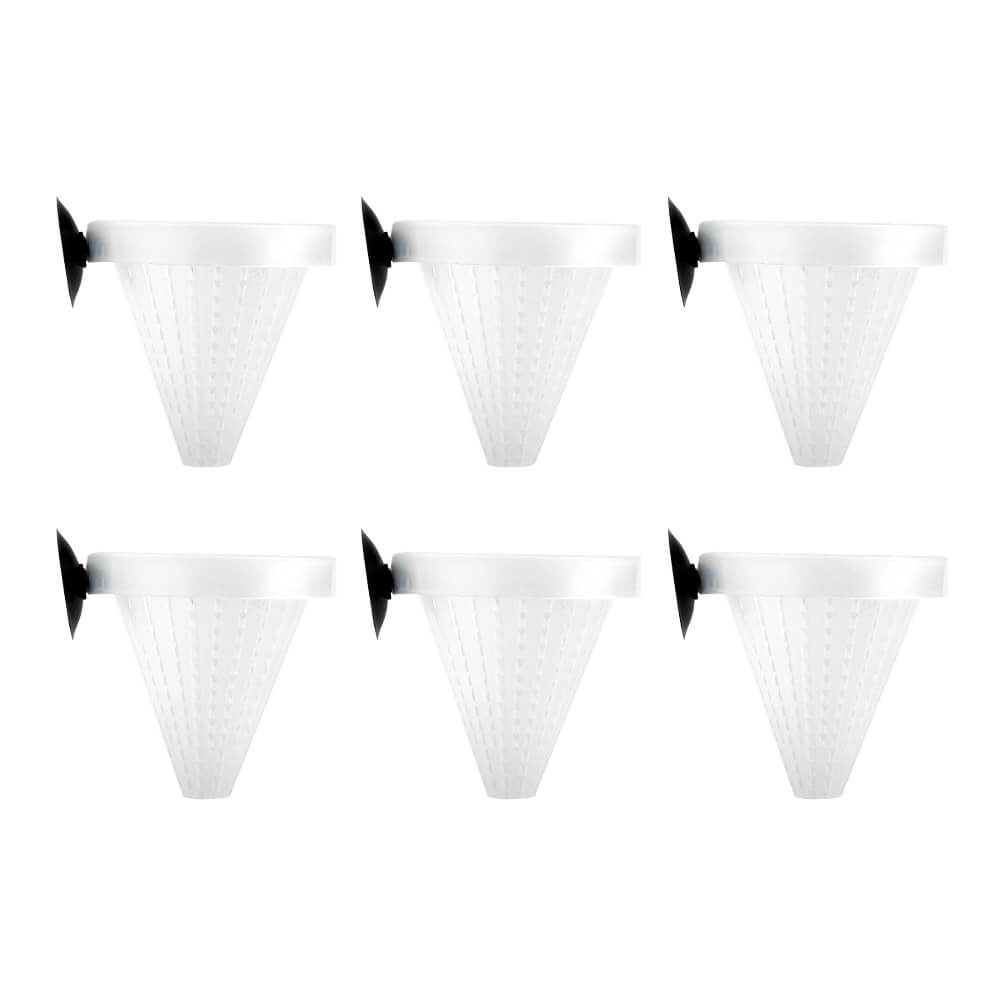
Worm feeders or feeding rings can be a good way to keep food in one place while fish can’t eat it all, just as cats and dogs know where to eat. Fish will get used to this way and often gather around the leader. You can also use automatic feeders, but these feeders are only used for dried or freeze-dried foods.
Clean up & storage
After five minutes, use tongs or tweezers to remove all the uneaten food and store the excess in a clearly labeled container in the fridge. Clean all used equipment and prepare for next feeding, wipe the surface with disinfectant and wash hands thoroughly. If your fish start to show signs of abnormal behavior, contact your bloodworm supplier or consult a fish specialist at a store or online.
If you want to know fish tank water pump and filter,fish tank water temperature regulator and so on. You can contact us,we also provide fish tanks for sale online.

 senzeal