What Are the Types of Fish Tank Landscaping Stones

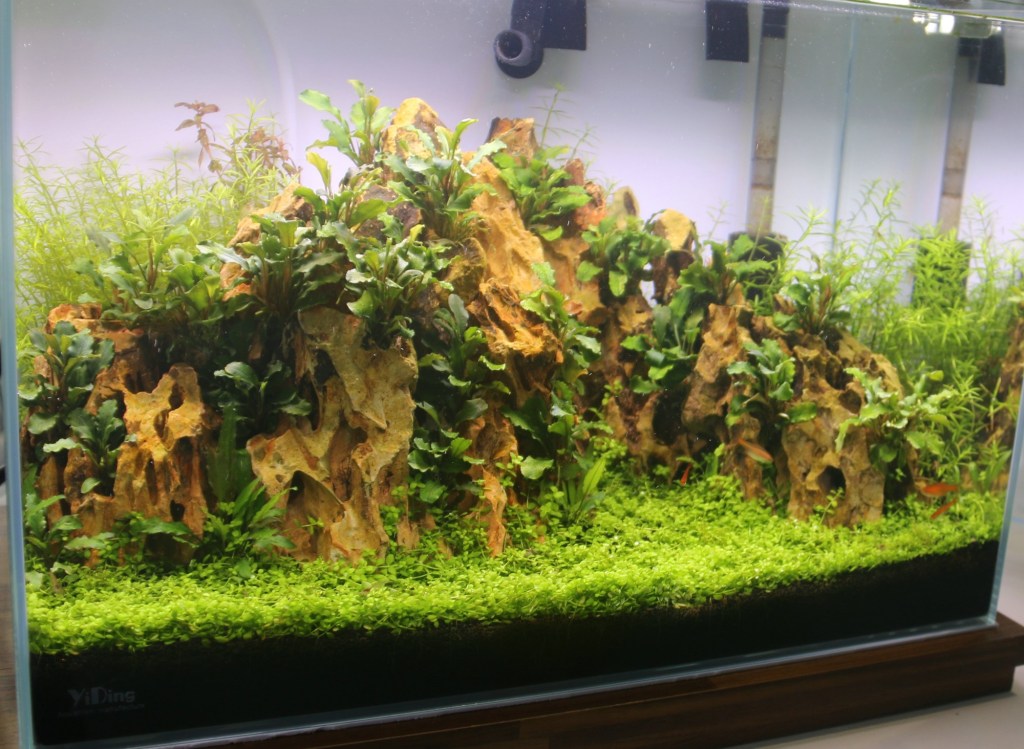
Water plants and stones are common in landscaping in fish tanks. The uniquely shaped and uniquely textured stones add more interest to the fish tank. Coupled with various postures of aquatic plants, it can bring extraordinary senses to the fish tank. So what are the fish tank landscaping stones? Aquarium landscaping stones are divided into many types, such as stalactites, volcanic rocks, pebbles, coral stones, etc. Let’s take a look at the detailed introduction below.

In the water tank, there are no restrictions on the appearance of the landscaping stone. As long as your tank is large enough, even larger stones can be used. In addition, the fish tank landscaping has no requirements on the shape and texture of the stone. The only thing that needs attention is the effect of landscaping stones on the water quality of the water tank.

How to test whether the stone is suitable for the water tank? People have summed up the experience by using acid solutions. Dropping it on the stone for testing, if the rock comes out of a lot of bubbles, the rock is too hard, to avoid the choice. A small number of bubbles or no bubbles can be used after washing. The water tank can be used with the following stones.

1. Stalactites

Stalactites are formed after water containing calcium carbonate permeates through the top joints of caves. The calcium carbonate in the water is precipitated by the evaporation of water and is formed after decades or even millions of years of deposition. Stalactites can easily affect the hardening of water quality, so it is only suitable for seawater or hard water fish (African cichlid).

2. Volcanic rocks

It’s also known as pumice, formed by the cooling of volcanic foam. The surface is porous, the texture is relatively soft, it is easy to absorb water, it can grow moss, and it contains more minerals. It can be used as a filter material or because of hard water fish.

3. Cobblestone

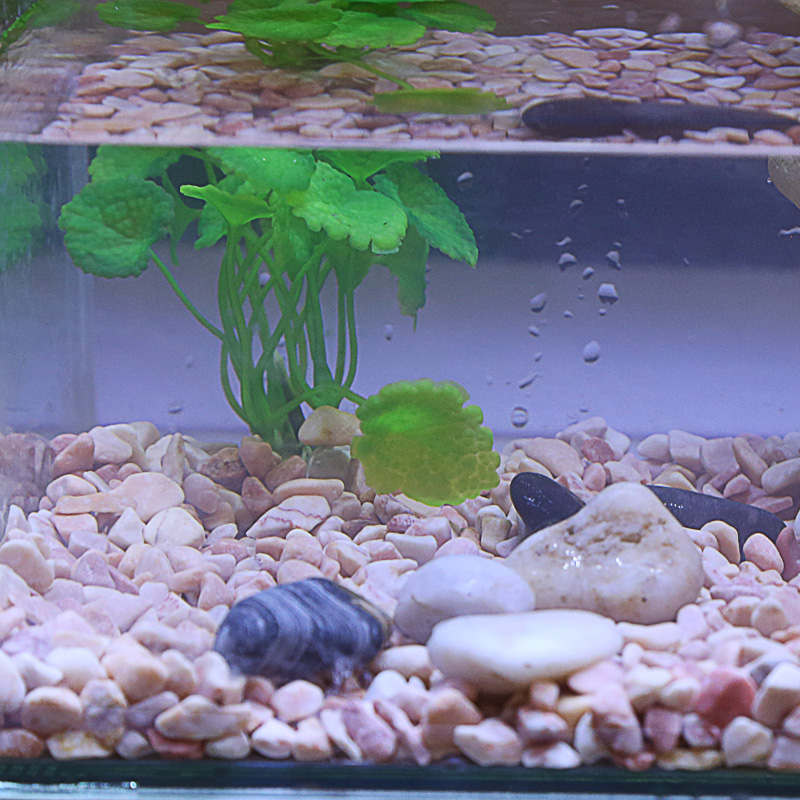
I believe everyone knows that it is those around small stones. Pebbles are gradually formed by long-term erosion of mountain stones. The surface is smooth and colorful. Among them, Nanjing Yuhua Stone (also a type of pebble) is famous in the world. It is suitable for setting small and medium-sized fish tanks, and small stones are also suitable as the bottom sand.

4. Axe splitting

Axe splitting is a shale, which is formed after long-term precipitation, and its content is mainly calcareous and carbonaceous. The color is mainly dark gray and black, but there are also red rust or light gray in the gray, which is caused by changes in the iron content of the stone and other metal content components. Axe splitting stone can be used to make the effect of strange peaks and different walls.

5. Sandstone

Also known as Sheung Shui stone, travertine, and sand flakes. Sandstones can be divided into two types: fine sand and coarse sand because of the different sizes of sand particles. If the sandy content is low, the muddy component is also called mudstone. In the bonsai modeling, it is suitable to express the characteristics of Sichuan style bonsai high, steep and deep. The structure is loose, with more lime and hard water.

6. Wax stone

Yellow celadon belongs to quartzite, with fine texture and smooth surface. It is named because its surface is waxy oily and shows various yellow levels. The stone is better, but it is smoother and also has color.

7. Melaleuca

Also known as stratified rock, which is formed by overlapping calcium carbonate and quartz, it belongs to crystalline dolomite deposited in the marine facies. The stone is hard and dense, heavy, and does not absorb water. The exterior has a thin weathering layer, which is relatively soft; the texture on the stone is clear, and it is mostly uneven, straight, with a certain rhythm, and the lines are smooth, with twists and turns, and the color is gray-black, gray-white, gray, and brown. The brown color is slightly accentuated, and the color and texture are more harmonious. It looks natural and smooth. The shape is peculiar and varied, and there are many natural landscapes such as mountain shapes and platform caves. There are also towers, pillars, figures, animals, and other figures. Melaleuca is both figurative and abstract, with beautiful charm, quiet beauty, and elegance.

8.Coral stone

Coral is no stranger to everyone. Like stalactites, coral rocks are suitable for seawater or hard-water fish (African cichlid, etc.). Broken coral stone (coral sand) can be used as base sand.

9.Shell

There are many kinds of shells of marine life, such as sea snails, scallops, and so on. They have strange shapes, beautiful shapes, and are colorful, stacked in the water, just like in the underwater world, suitable for setting a small fish tank.

10.Crystal stone

The color is beautiful milky white, the surface is smooth, the pattern is clear, and the shape is peculiar. It is used as an embellishment of landscape scenery or natural scenery. Its crystal clear appearance is easy to make people think of a thorough underwater world, the rendering effect and landscape style are excellent, suitable for small and medium-sized aquariums.

There are many types of stones suitable for fish tanks. The rocks in the water are exquisite in shape (beautiful shape), quality (hard texture), color (pure color and luster), and texture (clear texture). Water rocks are exquisitely wrinkled, leaky, thin, and transparent. Choosing stones for aquatic landscaping also requires that the stone quality has little effect on water quality.

When placing the grass and stones in the aquarium, do not float them on the bottom sand, and bury a part into the sand in order to reflect the natural scene washed away by water. The embedded posture can be based on the shape and texture of the stones, using the method of supine, upright or oblique, to create a landscape full of vigor and vitality.

We have acrylic tanks for sale,room divider fish tank for sale and air stones for sale,contact us now.
Things You Should Know About Betta Fish Sleep

The question remains whether betta fish sleep experience is exactly the same as humans. After all, they can’t close their eyes because they don’t have eyelids. So it’s not easily noticed when they are about to close their eyes to sleep. Do they fully lose consciousness as people do? Perhaps not since they are very territorial and on constant guard against interlopers even if they are the only fish in betta fish aquarium. Still, they do appear to take time out to rest, and this is the equivalent of sleep for humans.

How to Know when Your Betta is Sleeping

Now that you know that these beautiful bettas (and all fish) actually sleep, you might wonder how to know when they are sleeping. You can assume that Betta will take this opportunity to get a real rest anytime his environment darkens. This typically happens when you shut off his tank light for the evening. After a short time, he’ll find a comfortable spot to rest and basically become inactive for a while until something startles him or the light returns.

Betta fish may take a nap during the day

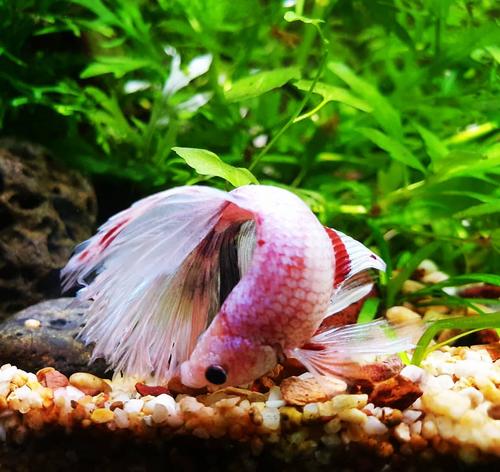
Betta fish sometimes take a nap during the day. If you ever noticed your pet lying on the bottom of its fish tank and doing nothing, it may be asleep. In other cases, when your fish is resting, it may hang motionless on the top of the tank. Some people panic when they find their betta in either state because they think their pet has died, and indeed, there is not a lot of difference in the way a sleeping betta and a dead betta look. Thankfully, the fish is simply asleep in most instances.

Betta fish rarely sleep during the day. You may notice that your fish is resting at the bottom of the plant, or it is even resting among the leaves. Betta fish like to find a safe place to rest, so they will look for places under or inside the fish tank decoration, behind the filter, and anywhere that makes them feel safe. You can create ideal sleeping spots by adding a bushy plant, either a real or a soft, artificial aquarium plant, or by leaning a piece of shale against the side of the tank.

How to Tell the Difference Between a Sleeping and a Dead Betta Fish

Since sleeping bettas can float at the top of a tank or lay on the bottom, it’s easy to mistake a sleeping fish for one that has died. There are a few clear indications that your fish is near death, or that he is now dead if you have seen these signs and he now not moving.

How to distinguish between a sleeping and a dead betta

Because sleeping bettas can float on top of the tank or lie on the bottom, it is easy to mistake a sleeping fish for dead fish. There are a few clear indications that your fish is near death, or that he is now dead if you have seen these signs and he now not moving.

1. If he looks listless recently, stays still at the bottom of his tank, or stays in a hidden place for several days.

2. If you notice him swimming strangely, it seems like he’s lost his balance.

3. If his color doesn’t look as energetic as usual.

4. If his eyes look too large, as if moving outward, this is called a Popeye.

5. If his fins look rough, unhealthy, or pressed against their bodies rather than spread out and flowing.

6. If his fins are discolored, there are white spots around the body, or they have shiny metallic spots, which is easier to see with a flashlight.

7. If his scales seem to be elevated, pointing away from his body, and his stomach is swollen, so he looks like a pine cone from above.

8. If he is not interested in food.

If you noticed these signs in the past few days or weeks, and your betta is still motionless, you can see that he has died from all these signs together:

When you examine his gills and mouth, he doesn’t seem to be breathing. The easiest way is to fish him out with a fishnet. He didn’t leave the net, didn’t move, and didn’t breathe, which could be a sign of his death.

He lies on the bottom of the tank, or lies on its side, or floats slightly upwards at the back, while its headrests on the bottom or base of the tank. Or if he is not lying on the bottom of the tank, but is floating on the surface on his side. His color looked dark and his eyes were dull.

Let your fish rest. Rest is important for all living creatures, so when you find your betta lying somewhere, don’t knock on its fish tank to see if it is alive. Chances are he’s just sleeping, and he will soon wake up and start exploring his environment again.

We have the best betta fish tank for sale, welcome to buy.

The Significance and Steps of Aquarium Landscape

Many people like ornamental fish and shrimp. Before raising ornamental fish and shrimp, you need to prepare a fish tank and make a fish tank landscape. Aquarium landscaping can be made with rock, water plants, shellfish, deadwood, etc. according to personal preference and the nature of the fish. So why do you make aquascaping and what are the steps for the aquarium landscape?

The significance of fish tank landscaping

Visually, the fish tank landscaping combines the movement of the fish and the quietness of the scenery, which is more aesthetically pleasing. Ecologically, the aquarium landscape rock and aquatic plants in the fish tank can filter water quality, generate oxygen, and form a healthy and vibrant ecological environment. If you don’t know how to taking care of aquarium plants, please contact us.

In the early days, a variety of ornamental fish was kept in fish tanks for entertainment. However, with the continuous development of the ornamental fish industry and the growing group of ornamental fish enthusiasts, some people gradually began to place some aquatic plants in the fish tanks as embellishments. And with the continuous progress of social science and technology, the technological level of lighting, temperature control and carbon dioxide has achieved rapid development. From the perspective of hardware, various difficulties encountered by people in the process of planting aquatic plants have been greatly reduced. Over time, aquatic plants have gradually become the main role in the fish tank. Water plants lovers place different types, colors, and shapes of water plants, stones, and sunken wood in different positions to create different shapes that will impress the audience. This forms a fish tank landscape. So what are the fish tank landscaping steps?

Steps for fish tank landscaping

The fish tank landscaping steps are generally divided into the following:

The first step is to conceive. Depending on the size of the fish tank, as well as your own financial resources and other resources, you can imagine how it will be after the aquascaping. This step is similar to making drafts before building a house, taking into consideration all possible situations to avoid irreparable losses.

The second step is to prepare the materials. According to the idea at the time of conception, you have all the materials needed for the fish tank, stone, wood, bottom sand, waterweed, light, carbon dioxide, circulation system and so on.

The third step is to spread mud and fertilize. Generally, the bottom of the tank is first laid with fertilization, and then a layer of bottom mud is laid. You can put different thicknesses of sediment according to different plants.

The fourth step is the landscaping. You must place the sunken wood, stones, etc. in the way envisioned in the concept. In this step, you must grasp the angle and height. Otherwise, the result may not turn out as you imagine.

The fifth step is to plant water plants. You first add an appropriate amount of water to moisten the sediment and then use tweezers to plant the roots of the waterweed into the sediment. The general planting sequence is to plant the background grass first and then the foreground medium grass. In this way, the prototype of the overall scenery of aquascaping appears.

The sixth step is closing. You add water to the fish tank at a slow rate to prevent excessive water flow from damaging the landscape. Generally, add 90% of the cylinder content, and then open the circulation system. There may be a small amount of sediment floating at this time, which you don’t need to worry about, for it will just settle for a while.

In the seventh step, fish and shrimp enter the tank. Generally, after about one week, the water quality in the tank gradually stabilizes, and fish and shrimp can be put in. In the later period, it is only necessary to carry out routine maintenance such as changing water and replenishing, feeding, fertilizing, and lighting.

Notes for aquarium landscaping

Larger fish tanks have more space, so you can’t just put a few sunken stones or a few plants on it. The bottom of the fish tank is best to make colorful, without the feeling of hollowness and loneliness. At the same time, safety issues to the fish tank landscaping must also be paid attention to. Some people like to use complex lights to render fish tank effects, so power supply safety must be taken seriously. Once the electricity leakage happens, it will not only cause the death of the fish in the fish tank, but the family may also be in danger. Don’t leave a hidden danger. It is also worth noting that the scenery in the fish tank must be matched properly, and no dead ends can be left, because the fish may be stuck in these positions when swimming.

It must be remembered that the fish tank landscaping is first created to allow fish to survive better, and the second is to render the entire environment. Therefore, we must take the safe survival of fish as the first consideration in the landscape arrangement of the fish tank, and we cannot ignore this issue simply for the aesthetic aspects of landscape design. In fact, many of the landscaping things may not be suitable for the normal survival of fish or pose a great threat to their safety. Therefore, in the layout of the fish tank landscaping, you must pay attention to the selection of materials, do not choose those materials that have harmful substances, and their smell will cause the fish to dislike.

Some people keep fish because they like beautiful fishes, and some people keep fish for the purpose of decorating their homes. No matter what the reason is to keep a home aquarium, Senzeal reminds people who have fish tanks around them to pay attention to fish keeping knowledge, and safety issues cannot be ignored as well. Go to our website to see what valuable aquarium products Senzeal can offer!

Species and Planting Methods of Aquatic Plants

Aquatic plants cultured in fish tanks can beautify fish tanks and provide a habitat for fish. The fish swim in the waterweeds, and the lively fishes complement the beautiful waterweeds, which is very beautiful. But there are many kinds of water plants, and each kind of water plant has its own lifestyle. What types of waterscape are there? How to raise water grass in fish tanks? If you need water Plant Care Tools, please contact us.

The plants we are talking about here are ornamental plants. It is mainly used for landscaping and appreciation of aquariums, and to express the natural beauty and ecological beauty of aquariums. There are many varieties of ornamental aquatic plants. According to relevant data, there are more than 500 types of aquatic plants that can be used in aquarium cultivation worldwide.

1. Species and classifications of aquatic plants

There are many species of aquatic plants, and there are many natural classifications. As far as people know, there is no correct and specific classification, but according to different situations, the following three classifications have been carried out.

According to the different morphological characteristics of aquatic plants, aquatic plants are classified into eight categories: stem aquatic plants, cluster aquatic plants, pepper aquatic plants, crown aquatic plants, water ficus aquatic plants, rhizome aquatic plants, ferns aquatic plants, and lichen algae aquatic plants.

Aquatic plants can be classified by the situation of the landscape of water plants. According to the planting position or landscaping area of aquatic plants in the aquarium, the aquatic plants can be generally divided into foreground grass, medium grass and background grass.

Foreground grass refers to the water grass planted in the front of the aquarium, usually small grass, relatively low, such as short pearl, carpet grass, cattle felt, mushroom grass. Medium grass refers to grass grown in the middle of the tank, between the front and back grass. Such as iron crown, lotus root, tiger grass, etc. Background grass refers to grass planted in the back of the aquarium, usually a large, taller grass. Such as small round leaves, snapdragon, chrysanthemum grass, small Roland and so on.

Aquatic plants can be classified according to the relationship between growth form and water. Water weeds can be divided into submerged water weeds, floating leaf water weeds, floating water weeds, standing water weeds and intermediate water weeds.

2. Aquaculture method for fish tank

Fish tank aquaculture species usually need to choose a well-developed root system and beautiful form of aquatic plants, such as snapdragon, gracilaria, crown grass, water chrysanthemum and so on. Aquatic plants are generally only suitable for planting in small fish tanks, as large fish can damage them.

Aquaculture method for aquarium: pot, sand and floating planting.

Potted plants and sand plants are suitable for planting rooted plants such as crown grass, Elysium, and water chrysanthemum. The floating method is suitable for planting rooted vines such as snapdragon and yarrow. For the potted plant, choose a small porcelain flower pot with an eye on the bottom of the pot. Put some small stones on the bottom of the pot, plant the water grass and fill the pot with some small goose eggs to squeeze the roots, and slowly put it into the fish tank.

For sand planting, the bottom of the fish tank is covered with about 3 centimeters of washed and sterilized fine river sand, and then the plants are planted in the sand, and the roots are pressed with small pebbles to prevent the plants from being washed up when changing water.

Floating is to put aquatic plants directly into the fish tank and let them float and grow. Aquatic aquaculture in fish tanks must be strengthened to make them grow healthy.

3. The setting of fish tank culture conditions

First, sufficient light

LED fish tank lights can be selected for the lamps used for aquatic lighting, and it is appropriate to light for 6-7 hours per day. Aquatic plants can grow well under sufficient light.

Second, the appropriate water temperature

The water temperature control for fish tank can be appropriately reduced in the hot summer and increased appropriately in the cold winter. The most suitable water temperature for aquatic plants is about 25 ° C, which will be described in detail in the aquatic planting temperatures.

Third, the appropriate plant density

Water plants are too densely planted, which can easily make the living space of fish small. Therefore, to maintain the proper density of aquatic plants, we must trim the aquatic plants in time according to the size of the fish tank.

Fourth, the appropriate fertilizer

Aquatic plants need photosynthesis and need carbon dioxide and fertilizer to ensure that the aquatic plants in the fish tank grow more densely. It is important to add proper fertilizers to aquatic plants.

Aquaculture in fish tanks is conducive to fish breeding. Aquatic plants absorb carbon dioxide exhaled by fish during photosynthesis and emit oxygen required by fish. Aquatic plants can also digest fish excreta during the growth process and absorb some harmful substances. Some fish can spawn on waterweed leaves. Therefore, aquatic plants are the most ideal habitat for fish. Aquatic plants provide a comfortable living environment for fish.

Ornamental Fish Breeding Tips

If you are new to fish breeding, ornamental fish breeding should start with picking fish. Healthy fish swim in the lower and middle layers of the water body (except the upper layer fish) and compete for food. In addition, there must be a set of fish breeding tools. The aquarium should be equipped with equipment used for filtering, oxygen, lighting, drugs and so on. Pay attention to daily care for your fish. Now, let’s take a look at the breeding methods of ornamental fish.

What Are Ornamental Fishes

The so-called ornamental fishes only refer to those fishes with bright colors or strange shapes with ornamental value. They are distributed all over the world with no less than thousands of species. Some live in freshwater, some live in seawater, some come from temperate regions, and some come from tropical regions. Some of them are famous for their brilliant colors, some are weird for their shapes, and some are famous for they are rare and precious. In the world ornamental fish market, they usually consist of three major strains, namely temperate freshwater ornamental fish, tropical freshwater ornamental fish, and tropical seawater ornamental fish.

It is said that there are 30,000 to 50,000 species of fish in the world. Among them, sea fishes can be watched, and there are 2-3 species of freshwater fishes, and only about 500 species are commonly raised and commonly found in the seawater fish world. Ornamental fishes mainly include marine fish, tropical fish, Chinese goldfish, koi fish, and other freshwater fish. They are classified according to customary names.

Ornamental Fishes Breeding Methods

So how do we raise these lovely ornamental fishes? There are different points in the cultivation of different ornamental fishes. Here are some common methods of breeding.

1. Learn to buy good fish before raising good fish: Healthy fish swim in the middle and lower layers of the water body (except the upper layer fish) and compete for food. They swim naturally and leisurely, with clear and transparent tail fins, flowing eyes, clear eyes, and large individuals. The sinking bottom, floating head, and swimming are struggling, with trauma, white hair, white spots, thick tail fins, turbidity, severe bloodshot, dark complexion, turbid eyes, loneliness, antifeeding, or rubbing the cylinder with the body are sick fish Must not be purchased.

2. If you are going to co-culture several different species of fish in one fish tank, you must take into account the compatibility between different species of fish. Fierce fish and mild fish cannot be co-cultured; (Mild fish species can be considered); water quality requirements can not be mixed and so on.

3. At the time of purchase, fierce and large and medium-sized fish should not only be inflated and oxygenated but also a black bag should be placed on the outer layer to reduce external disturbance to the fish. High-grade fish should be individually bagged to avoid damage caused by touching each other. Pay attention to heat preservation when buying fish in winter. Plastic bags for fish must be thick and reliable, especially those with hard fins.

4. the fish tank can not change too much water at one time will cause water quality discomfort. Water quality includes pH, hardness, chloride, dissolved oxygen, nitrate, sulfide, protein, and turbidity.

5. Pay attention to the stocking density of fish. Excessive bleeding, excessive density, lack of oxygen in the water, and deterioration of water quality are the main causes of illness and death of fish.

6. How to feed. The most important thing to watch in the fish tank is to control the feeding. It is advisable to eat it once or twice a day for 3 to 5 minutes. Feed less on rainy days and not on at night. Fish need more oxygen to digest food. On rainy days and at night, the air pressure is low, and the dissolved oxygen in the water is low. In this case, feeding the fish may cause severe hypoxia in the water and kill the fish. Most of the dead fish occur at night, and severe hypoxia in the water is one of the main reasons. You may be interested in the aquarium auto feeder.

7. The bait must be clean, this is the easiest for a novice to ignore. Feeding unclean bait can easily lead to fish disease. It is recommended to buy brand-frozen fresh foods produced by professional companies, such as red bloodworms and shrimps. Although live worms such as water worms and water red worms are favorite fish, live worms grow in polluted water environments and are extremely susceptible to death and decay during temporary holding. Therefore, care should be taken when placing live food.

8. Keep the water clean. After eating fish, it will consume a lot of oxygen and discharge a lot of waste, which will pollute the water and breed germs. In order to keep the water clean of the material, a high-efficiency filter in tank must be installed. If it is a naked tank for fish breeding, it is necessary to use the bottom of the tank to drain and drain at the same time and change one-tenth or a little more old water, especially in the summer must not be ignored. The ecological tank for co-cultivation of fish and aquatic plants can be replaced only once a week with 1/3 to 1/4 of water. The filter is designed with aeration, so filtration and aeration can be performed at the same time, even if the water is purified, and oxygen is supplemented. However, the aquarium should not be inflated.

9. can not bring grease and detergent into the water. The oil will float on the water surface to isolate the air, and the oxygen in the water will not be replenished, which will cause the fish to die of hypoxia. Eating meat, or even applying hand cream on your hands, will bring grease into the water and should be carefully avoided. According to this, the fish tank should be far away from the place where oil and gas are generated.

10. It is best to start with low-priced, easy-to-raise fish, accumulate experience, and then raise valuable species, and you will be handy and successful.

Now you’ve known ornamental fish breeding tips, ready to set up your own aquarium? Come to our all aquarium categories pages for more at Senzeal.com.

Identification and Treatment of Algae in Aquarium

Algae are usually present when nutrients, carbon dioxide, oxygen and light are out of balance. For example, too much light but too little nutrients and carbon dioxide can cause algae to grow. Poor distribution of carbon dioxide and nutrients is also a common cause of algae. Reducing nitrate and phosphate, two important nutrients are widely thought to reduce algal blooms when algae actually grow in low-nutrient environments. It is a myth that should be avoided in planted aquariums.

Identification and Treatment of Brown Algae

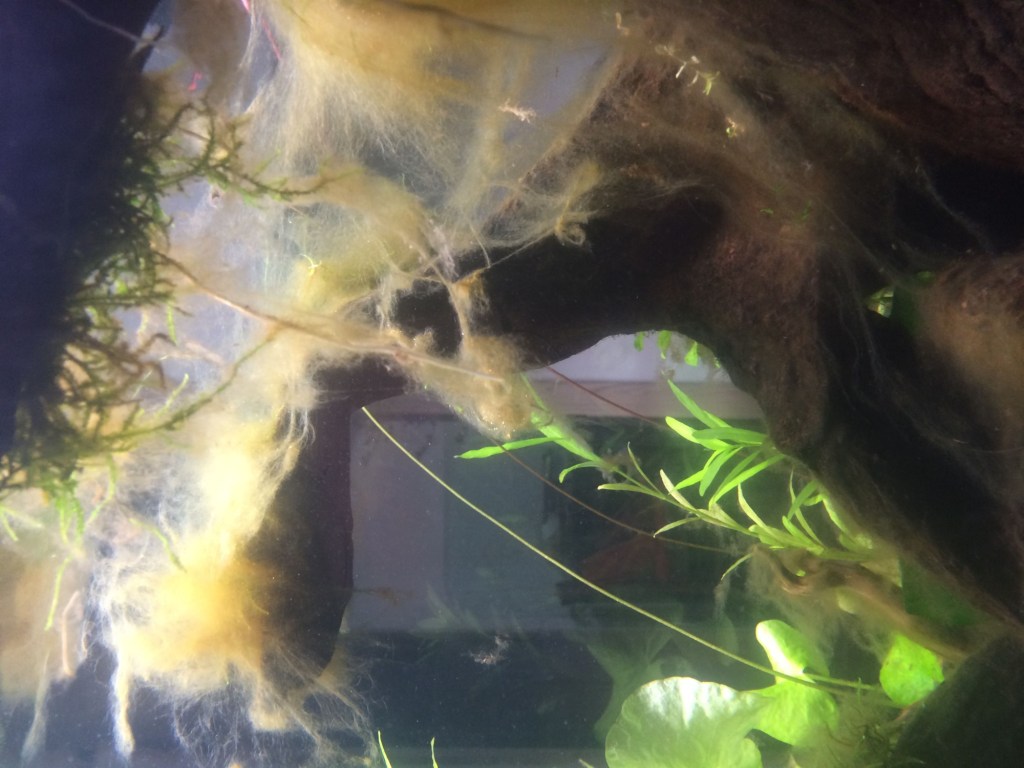
The brown algae mainly appeared at the beginning of the early tank setup period, usually in the first three months of the newly set up fish tank. And at this stage, there is often a phenomenon of death of fish and shrimp for no reason, causing many aquarium beginners to be at a loss. Brown algae often appear in the tank wall and the surface of sunken wood, stones and so on. The main reason for the brown algae occurrence is that the nitrification system of the water system is not established. Accelerate the establishment of the nitrification system. You can purchase high-quality nitrifying bacteria into the grass tank according to the instructions at the opening stage, or a more time-saving method is to ask a familiar aquarium owner friend for long-term filter cotton. Clean and put it in your own filtration system as soon as possible. Of course, regular cleaning of the tank walls and regular water changes are also necessary routine duties. You may need a fish tank algae cleaner.

Identification and Treatment of Blue-Green Algae (BGA) or Cyanobacteria

The color of the cyanobacteria is green, black, brown, and so on. It covers the surface of the bottom sand like a snot. It has a foul smell and often appears in the position like the bottom sand, and the contact surface of the bottom sand and the tank wall.

Causes:

1. The water quality hardness is too high

2. The bottom sand is too thin. Treatment method: Use a sand washer to suck it out.

Identification and Treatment of Green Water

Many aquarium owners may have had this experience: the originally clear and transparent water system suddenly became misty and not transparent, and gradually turned into misty green. This is the emergence of green water.

Causes:

1. The light intensity and time are too strong and too long, and there is direct sunlight on the water tank.

2. Insufficient filtering strength. Treatment method: reduce light and strengthen filtration.

3. Strengthen water change.

4. Use ultraviolet light for aquarium to kill the spores that cause green water, but be careful not to leak ultraviolet light and cause injury to people.

Identification and Treatment of Green Spot Algae (GSA)

This kind of algae is often faced by many aquarium owners. even the masters dare not say that they have not encountered the problem of green spot algae. They often appear in the tank wall, on the blade surface of broad-leaved negative aquatic grass, such as big banyan, small banyan, and so on.

The causes are

1, the light intensity is too high

2, the light reflection effect is bad. Treatment of green algae methods: 1, using moss mice, snails, and other biological treatment, regular scrubbing tank wall. The old leaves with long green spots will be cut off, and adjust the arrangement of water weed appropriately. The water weed with long green spots will be eliminated easily.

Identification and Treatment of Black Hair Algae

It is believed that this is the most difficult of all kinds of algae. Once the black algae bloom, it will be very unsightly and should be eradicated as soon as possible. Frequent appearing locations include sunk wood, filter inlets, and outlets, bottom sand, water grass leaves, etc.

There are many reasons for this:

1. The pH and hardness of the water system are too high;

2. There are too many baits entering the water system;

3. There are too many fishes;

4. The composition of the liquid fertilizer added to the fish tank is unreasonable, resulting in element imbalance;

5. Don’t wait too long to change the water, resulting in nutrient accumulation;

6. Insufficient filtration capacity. You can check for more information about aquarium filtration types.

Once the traces of black hair algae are found, they should be resolved at the beginning stage. The solution is as follows: buy the black fox fish into the cylinder, 200-300 – mm per 1 / cylinder block as the unit, such as your batch length is 400 mm, add 1 to 2, with a rounded body, beautiful shape, smaller for good quality, the big black line doesn’t like work.

1. Biological treatment, buy black line flying fox fish into the tank and take 1 / 200-300mm tank as a unit. For example, your tank is 400mm in length, put 1-2 fish with a round body, beautiful shape, and small size.

2. To improve water quality, black hair algae is more likely to occur in water with higher pH and hardness. It is necessary to improve the efficiency of CO2 dissolution and soften water to reduce pH and GH. Generally, it is believed that pH is around 6.5 and GH is around 8.

3. When you go to the aquarium online shop, don’t combine everything. Always remember that the protagonist of the grass tank is grass, and the fish is just embellishment.

4. Stop using inferior fertilizers. Some inferior fertilizers are the cause of black hair algae outbreak due to poor nutrient distribution ratio.

5. Improve water quality and strengthen filtration.

6. Use glutaraldehyde, but this method is a chemical treatment method.

Algae growth is a reality that every aquarium owner will face sooner or later. Some algae grow normally and healthy, but excessive algae growth is unsightly and may be harmful to fish and plants.

Algae may appear as brown, greenish, reddish residue or films on aquarium glass, gravel or substrates, accessories, and plants in the aquarium. There are many ways to avoid this excessive growth, and in many cases, it can be reversed. Start your algae treatment in the aquarium with Senzeal.

As the famous fish tank online store, we also have fish tank algae cleaner for sale, welcome to buy.

How to Remove Algae in an Aquarium and How to Avoid It

The algae in the aquarium grow very fast, and it is very laborious to clean up each time. Too many algae are difficult to take care of, affects the ornamental effect, and is not good for the health of the fish. So what is the reason for the algae burst in the fish tank? The causes of algae are mostly too rich water and too much light.

Causes of Algae Burst in Fish Tanks

The advantage of family fish keeping is that it is highly ornamental and pleasing to the eyes, but water quality is a big problem, and the problem of algae in the fish tank is a long-term problem for fishers. Too many algae are not only difficult to take care of, affects the ornamental effect, and is not good for the health of the fish.

The causes of algae are mostly too rich water and too much light.

Excessive feed, bait, and pulled fish in the fish tank can become harmful substances in the fish tank. Feed and bait contain a large amount of protein. Nitrate and ammonia nitrogen produced by fish decomposition are all needed for algae growth, which will accelerate the algae reproduction in the fish tank.

Under normal light, a few algae will grow, which is basically harmless to the fish. As long as the tank wall is scrubbed frequently, this will not happen. Once the light time is too long or strong light, it will promote the metabolism of algae, accelerate the growth rate of algae, and endanger the health of the fish.

How to Avoid Algae Growing Algae

1. Reduce direct sunlight to water

It is recommended not to place the fish tank on the balcony, rooftop, etc., to try to avoid direct sunlight on the fish tank.

2. Treatment of brown algae with germicidal lamp

The germicidal lamp can effectively remove green algae and brown algae in the water, but this is when the algae have not grown to a particularly large amount.

3. Put in tool fish such as queen, dark beauty, scavenger, etc.

Not all tool fishes are effective, and tool fishes are in danger of being eaten by large fish in the tank. The premise of putting tool fish is not feeding them, because many tool fish do not work when there is fish food.

4. Wipe the tank often

For algae, like green algae easy to be wiped, they are often one wipe away. This is also related to personal diligence. Some people think this is a big project.

5. Regular water change

So for all algae, changing water is the best way. If there are algae, you can increase the frequency of water changes appropriately. For example, it was changed only once a week or half a month. It can be changed every 3 days. The amount of water change is controlled within 1/4 of the entire tank water. However, too much water change will affect water quality and affect living creatures.

You may get interested in the fish tank algae cleaner.

6. Adding drug

For green algae and other harmless algae, it is easy to be removed and can be cleaned by wiping the tank, but for stubborn and harmful algae such as brown algae, black hair algae, membrane algae, it should be removed as early as possible. These harmful algae are a hindrance to the ornamental value of fish tanks and the development of nutrients in the water, as well as the healthy growth of fish. The use of various dephosphorization agents and dealgal agents can greatly reduce the number of algae in the tank.

Algae Removal Methods Commonly Used in Aquariums

Commonly used algae removal methods are divided into physical, chemical, and biological.

1. Physical algae removal method

In simple terms, physical algae removal is to use manpower to remove the flooded algae by yourself. There are special brushes for selling aquariums on the market, which is very convenient. Combined with a water change, it can have a good algae removal effect. It is a bit cumbersome to implement and some corners are not easy to brush. Of course, if even the aquatic plants, sand, and other decorations aquarium are unfortunately caught by the algae, at this time, in addition to the pain, they must be taken out one by one and brushed patiently, and then disinfected with brine. The algae on the water grass branches and leaves can only be trimmed one by one, and aquatic organisms that eat algae are added.

2. Chemical algae removal method

Some of the algae-specific algae removal agents are effective for almost any algae in the aquarium, and where physical algae removal is not easy to remove, the agents can also penetrate in and destroy the algae. But because it is a chemical, it has a certain impact on the ecological balance system in the fish and the aquarium. It should be noted that the use of chemical agents must strictly control the dosage and follow the dosage on the instructions. If it is not handled properly and the dose is too large, it will not only kill algae but also damage fish and water plants.

3. Biological algae removal method

Add some aquatic life that can eat algae to control the number of algae. Compared with the first two methods, the effect time is slightly slower, but it is safer and labor-saving. It is a very environmentally friendly method. We have aquarium accessories online, welcome to buy.

How to Properly Aerate Your Aquarium

There are several ways to aerate your fish tank, and these methods will be discussed in this article. Before discussing specific methods, it is important to address the surface area of ​​water in the fish tank. The larger this surface area, the more water is in contact with the air. This results in greater absorption of oxygen by water. Therefore, you should try to maximize the surface area of your fish tank.

Basic Oxygen and Carbon Dioxide Exchange Introduction

When your fish breathe, they absorb oxygen from the tank, and their body converts the oxygen to carbon dioxide and then exhales. Oxygen and carbon dioxide are also exchanged on the surface of the water. Carbon dioxide is released from the water into the air. This is important because if you don’t let carbon dioxide escape into the atmosphere, your fish will die – it will only accumulate in the tank, causing your fish to slowly suffocate to death. You may need a carbon dioxide diffuser.

When carbon dioxide is released from water into the air, oxygen is also absorbed from the air into the water. This is important because it increases the oxygen content in the aquarium water and provides the fish with the oxygen they need to breathe. For this air exchange to occur, however, the surface tension of the water must be broken – this allows the carbon dioxide molecules to be released and oxygen to be absorbed. Agitating the surface breaks this surface tension and allows proper gas exchange.

Temperature and oxygen concentration

As your tank temperature rises, the oxygen content will decrease because your tank’s water evaporation rate will increase. Therefore, the higher the temperature you keep in your tank, the more you need to know if your fish is getting enough oxygen. Once your temperature exceeds 800 degrees Fahrenheit, you may need to provide some aerating equipment listed below apart from the filter in tank.

What Common Aerating Equipment Are There

Filter

For many aquariums, a simple hob (hanging on back) filter will fully aerate your tank. Many filters have an output that drips water into the surface of the tank, thus providing sufficient surface agitation. This surface disturbance increases the surface area that is in contact with the atmosphere and therefore increases the absorption of oxygen. In addition, the good filter in tank fish filter, which is important because it moves the bottom water of the fish tank (water that cannot get oxygen from the air) to the top surface, which can increase the oxygen concentration.

Pros / cons of filters

-Help increase aeration / oxygen content

-Increase the water circulation in the tank, thus the surface area

-Rotate tank water up from the bottom

-May create blind spots depending on the location of the filter

Power Head

If your filter doesn’t interfere with the surface enough or provide enough circulation, you can use a powerhead as well. The powerhead siphons water out of the tank and mixes it with the exhausted air. Many powerheads also allow you to adjust the amount of air they inhale, which allows you to adjust the number of bubbles generated (see the paragraph on bubble stones below to learn how bubbles help ventilation).

The powerhead can also be used to eliminate dead spots in the water tank-areas with particularly low water circulation. A carefully placed powerhead can increase the circulation of your tank in these areas. Filters, air stones, and decorations often fail to adequately aerate large aquariums. Therefore, powerheads are often the method of choice for large tanks. However, you can easily supply too much current in a small to medium-sized aquarium with powerheads, so be sure to buy a tank rated for smaller or buy a tank with adjustable flow.

Pros and cons of a powerhead

-Become a good source of supplemental aeration

-Can help deal with blind spots in the tank

-Can increase overall aeration

Air Stone

The air stone is a porous stone that is connected to an air pump and generates air bubbles in the fish tank. Many people think these pumps are too noisy, so they choose not to use air stones. However, placing the pump on a sponge usually reduces noise significantly. Some amateurs really like the bubble wall in the fish tank, so they will use it even without further inflation. In fact, it is not the bubbles that provide oxygen to the water (this is a common misconception), but the ability of bubbles to disturb the water surface and provide more water circulation helps increase the oxygen concentration in the water tank.

Pros and cons of Air Stone

-Can be installed in almost any tank

-Adjustable flow rate, suitable for any size tank

-Helps increase surface agitation and circulation

Although many factors play a role in keeping the fish healthy, aeration is one of the most important factors. Properly aerating the tank will allow your fish to breathe normally, which is important for good health. The most commonly used aeration equipment in fish tanks are filters, powerheads and air stones, which Senzeal can provide. Use any combination you like to give your fish the oxygen they need. We have external fish tank filter for sale, welcome to buy.

How to Make Your Aquarium Landscape?

Aquarium landscaping is an art. It creates a mini-world, a living ecosystem. Regardless of whether it is from moss on rocks, flowers from the shore, or algae and fish from the water, you need to consider it during the landscaping process. If you want to make a fish tank, you need to know the methods of aquarium landscaping. So what are the common methods of aquarium landscaping? Let’s take a look together.

What are the common aquarium landscaping methods

1. Ladder aquarium landscaping

This method is suitable for wall-mounted fish tanks. The basic shape is a step-by-step setting method from the background water plants to the foreground.

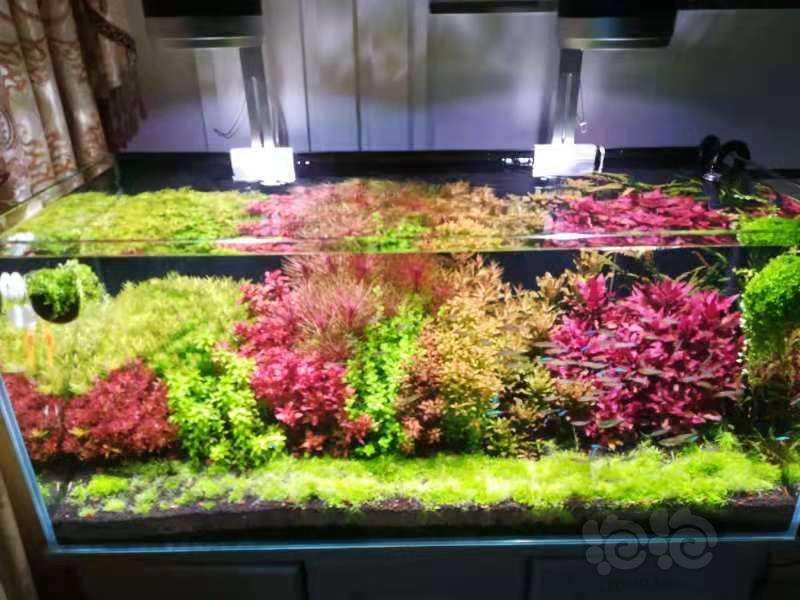
Critical notes: Put matching elements first, such as stone or driftwood. Pay attention to the texture of the material when placing it, and present a regular rhythm on the irregular material. The same pieces of wood and stone can produce different effects at different angles. The matching elements and water plants must be connected together without interruption to have a continuous overall sense. In the beginning, some plants with a faster growth rate can be planted in the foreground, and plants with a slower growth can be planted in the front and middle scenes. Except for the foreground grass, each kind of water weed is planted in clumps as much as possible. It is best to have only one clump of the same kind in the aquarium. The size and arrangement of each clump of plants are as irregular as possible, so as not to make the landscape too rigid. In principle, the ladder aquarium landscaping method gradually increases from the foreground to the background, but it can also be decorated with a few tall but less dense water weeds as the foreground, which can better show the three-dimensional effect of the landscape. You may need a set of tools for aquascaping.

2.Double-sided set method of aquascaping

Most of them are set techniques that can be viewed on both sides in the aquarium with compartment-style landscaping.

Critical notes: The principle of this method is the same as that of the ladder landscape method, but because both sides of the ornamental are taken into account, both sides must have beauty during landscaping. The middle line of the fish tank can be used as the location of the background grass, and the middle and foreground grass is planted on both sides, so that the layering and three-dimensional sense of the landscape can be more prominent, especially in fish tanks that are not very wide. The technique can more show the interestingness of double-sided aquarium landscaping.

3.Aquascaping with a three-dimensional fish tank

In addition to enjoying the scenery under the water, there must be scenery on the water surface.

Critical notes: Usually, an open-type fish tank is used together with a ceiling-mounted hanging lamp to better show the growth aesthetics of a three-dimensional aquatic landscape. When setting the scene, you can use more watery and floating water weeds, so that you can better enjoy the pleasure of changing the landscape in and out of the water. The three-dimensional aquatic landscaping fish tank is a more difficult landscaping method because it requires a higher level of configuration and there are more problems to consider when landscaping.

Precautions for fish tank landscaping

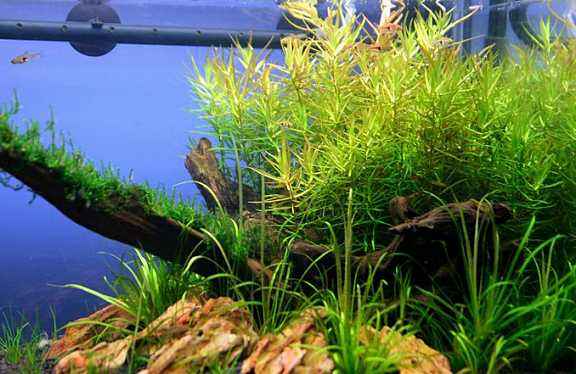
In the landscape design of aquatic fish tanks, sunken wood or aquarium landscape rock is often used as the accompanying scene. If there are no sunken wood or stones in the small plants, the scenery of the plants will appear stiff and rigid; with them, the scenery of the plants will become more natural and attractive. Therefore, sunken wood and stones have become indispensable companion elements to water plants.

Sunken wood and stubble in forests, mountains or swamps are slowly weathered through long-term sun exposure and wind and rain. Common sunken wood from Brazil is collected from moist or swamp areas. The surface of the material is beautiful, but the texture is relatively soft. The sunken wood made in the Philippines is very hard. Because it is heavier than water, it soon sinks to the bottom. The internal material also does not decay, which is one of the most ideal landscape materials.

The sunken wood set off the water and grass scenery. Although it has played a great role, it has its shortcomings. The reason is that when put into water, it changes the pH of the water, which is bad for the growth of water plants. Stone is also an ideal companion element. It is much more convenient to collect than sunken wood, but it also has disadvantages. It continuously releases alkaline substances into the water and changes the pH of the water. However, it is suitable to be used as companion material for banyan aquatic plants, because banyan aquatic plants are adapted to live in a limestone water environment.

We have fish aquarium for sale, if you want to buy aquarium online, please contact us.

How to Choose the Perfect Fish Tank Ornament?

There are many different aspects of ornament to consider when building an underwater scene in your aquarium. Remember, you are creating a complete world for your fish. This is a three-dimensional space where your pets can eat, breathe, sleep, hide and play.

Guide to Fish Tank Decorating

So where do you start? It is best to start from the bottom.

The first thing to decide is what to put in the bottom of the tank. There are so many substances to choose from. Grit is the most commonly used tropical tank to decorate the bottom. It is easy to clean and if you need to fix some plants, it has a little weight. Gravel comes in many different colors and textures to match your landscape with whatever you can choose. Adding larger river stones or marble can add aesthetics and increase the size of plain gravel.

Once the substrate is selected, it’s time to start looking for the perfect background. Some are flat, some are placed behind the aquarium and some are three-dimensional, placed inside the glass behind the aquarium. The purpose of both is to hide the unsightly water filter hanging behind the water tank. Whether you decide to choose a filter is more a matter of preference. For your aquatic life, it is recommended that you place one. But keep in mind that landscapes hanging in the water should be added to your aquarium cleaning task list.

The next step in fish tank ornaments is the fun part, and choosing one or two dramatic ornaments will be the focus of your entire underwater scene. No matter what it looks like, fish will love it, but make sure it has enough hiding place. These aquarium ornaments can be almost anything, sunken ships, hollowed logs, caves, castles or houses, and many more. Be sure to pay close attention to the size of these trim pieces to match your fish and tank. You need to have enough space for the fish to hide underneath, as well as enough space for your pet to swim freely on it. Once you have selected a large accessory, you can continue to look for small accessories.

Auxiliary ornaments can be useful features that are added to your tank for specific uses. If you have some live fish that need more oxygen, you can look for rivers and bridges underwater or bubbling treasure chests. These ornaments often require air pumps to drive them and can replace ordinary old air stones. Some fish seem to be happy when swimming in turbulent currents, which is a great way to provide them. Another functional ornament is the diving light ornament. This type of ornament provides a soft glow in the aquarium, just as seen in aquarium hoods without strong, bright light. These glowing features usually have different colors to enhance the hue of the tank.

The final step in aquarium ornament is choosing the right plants. This is the last touch of personality and color in your aquarium. Decide if you want many plants or just some. If you plan to keep larger fish, it’s best to use only a few because they will rearrange what they can move. If you are raising small fish, you may need more plants so that the tank will look fuller. Then you need to decide whether you want to use real or plastic plants. Similarly, the bigger the fish, you should choose a more durable plastic plant. If you have smaller fish, it doesn’t matter which one you choose, because they won’t hurt real or fake plants.

Once you have selected all the fish tank ornaments, you may need to rearrange it a few times before it is absolutely perfect. Just keep trying until you get it right and your fish will like you for it.

Choose the Perfect Fish Tank Decoration

To choose the perfect fish tank decorations, evaluate it yourself. Your fish tank decoration should help bring your imagination to life-themes and contrasts and perfect color combinations.

First determine a theme or a certain color, this is the basic step to achieve your ultimate goal and create a beautiful and fun home for your fish. When buying aquarium accessories, keep in mind the kind of fish you want. What do you think makes them feel comfortable or stressed? By studying the natural habitat of fish, you can design decorations based on their benefits to fish.

If you have a lot of bright colors in your tank, consider choosing brightly colored fish, as these colors automatically complement each other.

Be careful not to use sharp-edged decorations as they may hurt your fish. It is also wise not to use too many large fish tank decorations because your fish usually hides behind them and it is difficult to see your fish. One or two large decorations are sufficient, depending on the size of the tank. Always clean any new decorations you put in your fish tank. You can usually rinse them off with boiling water and a toothbrush.

You also don’t want too many decorations in a fish tank, because it will clutter your fish tank. With the right combination of fish tank accessories, you can turn your fish tank into a classic masterpiece.

Remember, no matter which theme, color, or fish you choose, if you follow the instructions and take the advice and tricks, you will have a rather unique design created underwater to reflect on you and to your guests, and your friends, Very relaxing and living space. Aquarium decorations are very beneficial for your fish because most of your fish will want to feel safe. With the fish tank decoration, they know that there are places to hide or play, and they feel satisfied.

We have best fish tank ornaments for sale, welcome to buy.

通过 WordPress.com 设计一个这样的站点
从这里开始