How to Choose Ornamental Fish Feed

If you want your fish to grow healthily and vigorously, good fish feed is indispensable. So, do you know what common ornamental fish feeds are? Animal feed, plant feed, artificial compound feed, etc. are common fish feeds. How do you choose ornamental fish feed? Good fish food is added with natural astaxanthin, without spraying oil, and has a strong smell of fish and shrimp.

What are the common ornamental fish feeds

Acrylic Automatic Shrimp Feeder 200mm-350mm

1. Animal feed

Animal feed is mainly fresh feed and fish meal, dried fish and insects, meat meal, fish meat, egg yolks, nauplii shrimp, juvenile earthworms (nematodes), juvenile shrimp, rotifers, “tadpoles”, yellow mealworm larvae, Silkworm pupae, blood worms, etc.

2. Plant-based feed

Plant-based feeds include various algae, cereals, leguminous ground products or finished products. For example, chlorella, spirulina, and barberry are rich in protein, and also contain various vitamins and trace elements. They are auxiliary feeds for freshwater ornamental fish.

3. Artificial feed

The artificial feed has the characteristics of convenient use, comprehensive nutrition, easy preservation, and feeding. This kind of feed has various types such as pellets and flakes, as well as special feeds specially designed for some specific ornamental fish tastes and nutritional ratios. Artificial feed not only contains a large amount of protein but also generally adds a variety of microbial live bacteria, providing a benign micro-ecological cycle, with good absorption and environmental protection effects.

The main animal raw materials of artificial compound feed are fish meal, blood meal, liver meal, dried noodles, dried wire earthworms, skim milk powder, yeast, etc., and plant-derived materials are wheat flour, cereal flour, spirulina, bean flour and so on.

4. Self-made feed

In actual breeding, the feed can be self-matched, can be supplied for a long time, and can be used alone with fish and insects. The self-made feed can add vitamins or antibiotic drugs to prevent and cure diseases, which has many advantages. For example, the “bull heart burger” that colorful angelfish loves to eat can be self-made. The main ingredients are beef heart, shrimp, vegetables, multivitamins, etc., which are broken and mixed with a meat grinder, and cut into pieces when used. It can also be frozen for a short time. “Bull heart burger” type self-made feed has become the staple food of colorful angelfish.

How to choose an ornamental fish feed

1. Color of fish food

In the process of making ornamental fish feed, some pigments will be added to meet the existing consumer habits, so that the appearance of the feed will look brighter and more attractive. In fact, the addition of these pigments has little to do with increasing the body’s redness of the fish. These pigments only increase the ornamental of fish food. Of course, some fish also consider color as food. High-quality feed formula + astaxanthin + special process are the factors that have a bearing on the color of the fish. At present, there are two cases of pigments added to the commercially available ornamental fish feed.

2. Fish coloring time

Many aquarists like fish foods that increase colorfast. It is wrong to think that the faster the color increase effect, the better or slower the better. It is wrong to add natural astaxanthin to good fish foods. Slow red is the best for 2-4 weeks. The most beneficial.

3. The appearance of fish food

Many aquarists like oily-looking fish food, and feel that oily and bright fish have a special appetite for fish. It is true that many feeds have an oil spraying process in the production process. The purpose is to improve the brightness of the feed and improve Attractively, but it is also harmful to fish. The international export standard of fish food is strictly prohibited from spraying oil. Good fish food should also eat fish without spraying oil.

4. The smell of fish food

Good fish food should have a strong smell of fish and shrimp. Poor fish food often has very little or no smell. Everyone should know that (some companies add antibiotic drugs (such as allicin) to their products, so the feed has drugs. (Smell.) In order to explain that their products have a large content of fishmeal, some fish flavors, such as fishy treasure and fish flavor, are added to make them fake. Such products generally have a strong fish aroma. For example, after soaking in water for a period of time, the fish and shrimp flavor disappears or fades.

Popular fish feed for sale at very competitive prices:

Bloodworm Feeder Red Worms Cone for Fish Feeder Acrylic V-Shaped

Multi-Functional Red Worm Feeder for Aquarium

Automatic Fish Food Dispenser Aquarium Auto Feeder

You might be also interested in:

How Do You Feed a Betta Fish?

Feeding and Care for Your Fish on Holiday or Vacation

Feed Tropical Fish

Easily Feed Fish in the Aquarium When on Vacation
How Do You Feed a Betta Fish?

When you plan to keep betta fish in your tank, feeding them is always part of your daily work to ensure that your fish gets the nutrients it needs to grow and thrive. This article will discuss what you need to know about feeding betta fish.

Aquarium owners need to know that different types of fish have different nutritional needs. One big benefit of feeding betta is that it can be fed many different types of food. However, you need to know what these foods are, how often do you feed betta, and what foods cannot be given to betta.

How much does it cost to feed a betta?

Feeding betta fish is critical, but you must control the amount of food when feeding betta fish. You don’t want your fish food to be wasted a lot. Make sure you feed it only the proper amount of food that it can finish up eating in 2 minutes. Sometimes you may get betta that has been eating for more than 2 minutes. If you see such behavior, it means your fish is about to get fat. Examine the betta’s abdomen to see if it has bulges. If there is a bulge appearing, your betta fish must be overweight.

Another point worth noting is that all the food in the betta fish tank not eaten by the betta is directly wasted-they will sink to the bottom of the fish tank and eventually rot there. You can imagine how much pollution this would cause to the aquarium water. With so much food settling at the bottom, you have to clean the tank more often to remove any leftover food. In addition, the dirty water caused by the remaining food can easily make betta fish sick.

For those who use fish pellets to feed betta fish, it is recommended to only use 3 fish pellets each time to feed the fish to reduce food waste.

How often to Feed a Betta Fish?

Most of the time aquarium owners will buy an adult betta from a pet store. For such a fish, you need to feed it twice a day.

As mentioned earlier, giving more food to betta fish not only does not help the fish eat, it is also wasted. The label on the fish food might state that you should feed it more often, but in reality, we know that’s just a gimmick to get you to buy more fish food.

If you end up feeding a younger betta, the feeding method is the same, twice a day. Fish is just like humans-it’s not too bad to eat occasionally.

Whenever you skip giving the fish its food, it can help by giving its digestive system a break. Think about how the fish only eats for two minutes and that is it—this shows how small its digestive system is.

When you don’t stop giving fish food, it can give its digestive system a break. Think about it, the fish only eats for two minutes, and that’s it that’s how small its digestive system is.

Pausing feeding food before the next meal can also help fish expel toxins from the body. You can feed it only once a day, or skip one day and return to the routine.

Maybe a betta fish auto feeder can  help you.

What do You Feed a Betta Fish?

Betta fish

Digital Fish Feeder Timer Automatic Betta Fish Food Dispenser

Betta fish is also known by the name, Siamese Fighting Fish. The reason is that this fish will attack other species of fish in the aquarium if it considers them a threat.

With this carnivorous behavior, it’s easily concluded that this fish likes to eat protein. Here are some of the best betta fish food types to feed your betta fish.

1. Feed betta fish frozen food like bloodworms. If you have the ability to get brine shrimp or bloodworms, you can freeze them so the fish can eat them later. You will simply have to unfreeze them in small batches when it’s time to feed them to the fish. Although they can be expensive, this food type comes with a lot of energy for the fish.

2. Use live food to feed betta. In this case, the living food may be bloodworms. You can feed the fish with them directly so that it can enjoy some new protein. The live food, in this case, could be the bloodworms. You can feed them directly to the fish so that it can enjoy some new proteins. Just make sure that you give the fish the right amount.

3. Feed the betta fish with fish flakes. This could be the least expensive food you will ever have to buy for your betta fish. If you want to try feeding this food, feed betta a few times and observe their responses first; some reports show that betta does not always like fish flakes.

4. Use betta fish pellets to feed. These are not just any fish pellets, but special ones made specifically for betta fish. It should be easy for you to find this type of food in most pet stores. Most people use it as a staple food for their betta fish, and it actually works. One thing to note is that these pellets are very large, so they sink faster and are not suitable for smaller fish.

5. Feed betta freeze-dried foods. Your betta may take these foods as a treat. According to statistics, betta fish often like to eat this kind of food. If given the chance, you will definitely see them eating more of this food than other fish.

You should always think carefully about what types of food you want to feed betta or any other type of fish. Before you decide to feed your fish, study the various fish food options. Some may not provide the best nutrition. Foods with a lot of fillings are not worth feeding your fish.

You might be also interested in:

How to Choose Ornamental Fish Feed

Feeding and Care for Your Fish on Holiday or Vacation

Feed Tropical Fish

Easily Feed Fish in the Aquarium When on Vacation
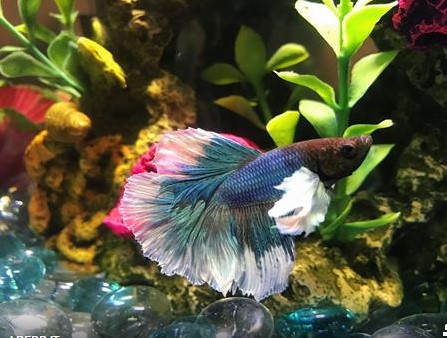
How Long Do Betta Fish Live?

Betta fish is a beautiful fish that is often misunderstood by aquarium owners. When you see them in a pet store, they are packed in small containers filled with stagnant water. Although they can survive in such conditions for a short period of time, they will never thrive.

The average life of betta is about 3 years. However, this does not necessarily mean that you will have such a long life betta. Why? Because betta fish bought in pet stores are usually one year old. One of the keys to prolonging betta’s life is to buy a healthy young fish from a reputable pet store online. Avoid buying light-colored fish as this is a sign of illness. The fins cannot be torn. Eyes should be clear and not protruding. Check their body for any signs of pain or injury. Healthy betta fish is active and will react to you when you place your hand on the glass of the fish tank.

How Long Do Betta Fish Live in the Wild?

Betta can live in a natural environment for about 2 years under normal circumstances. Betta fish originally lived in river basins in Vietnam, Malaysia, Thailand and Cambodia. They can also be found in rice fields, creeks, and even drainage ditches. Although you may think that these areas have been wet, they did experience some dry seasons, which has caused huge changes in betta’s habitat. They spent most of their lives jumping from one puddle to another, looking for larger water fields.

How Long Betta Fish Live in Captivity?

Betta fish care

The average lifespan of captive betta is 3 years, but it is not uncommon to have a lifespan of 4 to 5 years. There are many factors that affect the lifespan of betta. Some are under your control and some are not. The most important thing is to consider its age when you buy betta. The younger the fish you bring home, the longer your colored pet fish will last. You should also make sure that you are buying healthy fish. One way is to make sure you buy from a reputable seller. This way, you know that these fish are not affected by any disease that may shorten their life.

How To Help A Betta Fish Live Longer?

Betta fish

When you see bettas for sale, they are usually placed in small bowls or plastic containers. And, knowing that they do survive dry seasons in small puddles, you might think that they will do just fine in a small bowl or vase in your home.

The reason bettas are kept in small containers at pet stores is that they cannot be kept together in large containers with other fish. The only reason they’re sold this way is to save space.

In fact, if you want bettas to reach their full potential, they need a better home. Here are some things you can do to make sure you give your betta a proper home:

1. The minimum viable tank capacity for a betta is 1 gallon, but even this capacity is too small. A 5-gallon water tank is ideal because it gives the betta enough room to swim, and you can put it on a table or countertop.

2. Buy a real betta external filter. If you want them to reach their full potential, healthy water is important. The filter can help keep water in the aquarium clean.

3. Change the water regularly. A complete water change is ideal, but you should change at least 20% of the water in the fish tank every week.

4. If you want to add another fish with your betta to share this tank, you need at least 10 gallons of an aquarium.

5. Regularly check the water quality and change the water if necessary to control the pH, nitrate and nitrite content.

6. Make sure not to overfeed the betta. Constipation is a huge problem for them.

7. Don’t let uneaten food sink to the bottom of the tank for too long, as it will pollute the water. Use a tank vacuum or remove the substrate from the top surface when doing full water changes.

8. Monitor the water temperature carefully. Betta fish live in naturally warm water, and their ideal temperature is 75 to 80 degrees.

9. If you have difficulty keeping the water temperature high enough, buy a small aquarium water heater.

10. Betta fish is smart fish. If they had a decorated fish tank, they would be happier. Add decorations, rocks, and plants so they have many different places to explore. You can even buy them mirrors and leaf beds!

Overall, bettas are beautiful fishes and are great pets to keep because they are easy to care for. That said, many people misunderstand betta fish because of how they are displayed in pet stores. Although bettas can survive in small bowls or vases without filtered water, this is not a truly healthy environment for them. In fact, the average lifespan of betta fish in a small bowl is likely to be less than 3 years.

If you give your betta a 5 gallon or larger tank, they are more likely to live for more than 3 years. Proper tank maintenance is also important. Use a suitable filter and test the water quality once a week. At the very least, you should change some water every week. This will help your betta grow and give it plenty of space to swim and be happy.

Feeding is also important. Although bettas may not eat for a week before running out of reserves, to avoid any ill effects, the maximum waiting time before feeding is 4 to 5 days.

If you’re looking for a beautiful fish that makes you happy, you can’t do it without betta. With the proper care, your betta may live to a happy age of 10.

You might want to buy some items to keep your betta fish:

triple betta fish tank

double betta tank

betta aquarium light

You might also be interested in these articles:

Can Goldfish Eat Betta Food?

Can Betta Fish Live Together with Goldfish?

Feeding and Care for Your Fish on Holiday or Vacation

Are you going on vacation or planning your holidays right away? What will happen to your fish when you are away? The good news is here are some simple options to feed your fish while you are on vacation. One is to find another person who can look after the fish, or you can get your fish a commercial holiday fish feeder provided by the fish shop online, or you can buy an automatic fish feeder-this one can be used daily anyway. The final option is to not feed your fish when you are on vacation.

Feeding Your Fish on Holiday

Use a Vacation Feeder

Let’s start with the simplest way of feeding: using a vacation feeder. They come in sizes of 2 days (weekends), 7 days and 14 days. There are two basic types, one with food embedded in calcium blocks and the other with food embedded in gel. In each case, the blocks gradually dissolved in the water, releasing food particles for fish to eat. The advantages of the feeder block are:

1. Provide food to your fish when you are away for up to 14 days.

2. As the calcium block gradually dissolves, it slowly dissolves and periodically releases food (although the calcium block will dissolve faster in soft, acid water than it will in hard, basic water).

3. It includes natural ingredients to meet the nutritional needs of all the fish in your aquarium.

4. Do not use in fish bowls or unfiltered or unaerated fish tanks, as water circulation is needed to dissolve and blocks.

5. The gel blocks may work better in some water conditions as the gel block is plaster-free and does not cloud water.

6. Make sure the number of blocks used in the aquarium is sufficient for all fish in the aquarium. But during your time away, feeding fish less food is better than overfeeding. If larger calcium blocks are used, especially in soft water conditions, they can affect the water chemistry of the aquarium. Gel feeders are unlikely to cause changes in water quality.

Automatic Feeders

There are two types of automatic feeders: plug-in type and battery-operated type. They have timers that can be set to dispense the right amount of food once or multiple times a day. The opening of the food dispenser can be adjusted to deliver a certain amount of food with each feeding. As long as the food dispenser is full before you leave and there is enough food to dispense during your vacation time, these automatic feeders will be good for your fish feeding when you leave.

Not to Feed Your Fish

Living in a water environment has its benefits-fish don’t have to wait for you to give them water to drink. As for food, freshwater fish can live without eating for several days. Healthy adult fish can live without eating for a week or two. However, young fish do not have the fat reserves of adult fish, and they cannot live without eating for a long time.

This does not mean that you should not feed your fish often, but your fish can be left unfed during a long weekend holiday. However, keep in mind that food is not the only thing to consider when you are on vacation. If you are not at home, you must ensure that your filters, water heaters and lighting are properly maintained.

Care for Your Fish When on Vacation

Automatic Fish Food Dispenser

Aquarium food timer

Aquarium lights should usually be turned off at night and turned on in the morning. Lighting is easy to handle, by purchasing and setting a timer. You don’t need to buy a fancy one, as long as it can turn on and off the aquarium lights once a day. Put the light on the timer and keep it in this state. Then, your fish will have a consistent day and night cycle.

Control water temperature

The water temperature control for fish tank should remain fairly stable. Fish are used to gradual seasonal changes in temperature in the wild, but if the changes are dramatic, they are vulnerable to disease. If the holidays are the coldest of the year, make sure your fish tank heater is working and don’t turn your room temperature too low. Tropical fish like water temperatures of about 74-78 degrees Fahrenheit and do not do well at water temperatures below 65 degrees Fahrenheit.

During the summer vacation, if the indoor temperature exceeds 80 degrees, you can adjust the air conditioner to the most suitable temperature so that the fish will be comfortable when you go out. If you don’t have air conditioning, it’s best to arrange for someone to check the fish in the event of a heatwave.

The physical condition of fish

The physical condition of your fish is another important factor to care about. Before you go on vacation, check them to make sure they are not sick. If you notice any abnormalities, consult your fish shop online or aquatic veterinarian before leaving. Otherwise, you may return with an aquarium full of sick and dead fish.

You need to prepare the following things in advance, and you can leave for traveling less troubled.

1. Clean the fish tank a week before you leave. aquarium cleaning kit

2. Fill the fish tank with water the day before you leave.  aquarium water flow control valve

3. Check the water temperature to make sure it is within the proper range. fish tank temperature control

4. Check the filter and make sure it is running at full capacity. aquarium corner filter

5. Check all fish carefully to make sure they are healthy.

6. If you have someone who looks after the fish, measure the food into a fish tray feeder. Give him your phone number and the phone number of the pet store. aquarium vacation feeder

After doing those as Senzeal suggests, you can go enjoy your holidays care-free!

Feed Tropical Fish

Most tropical fish eat fish fillets that you can buy at your local grocery store, but some fish do require you to pay more attention to their dietary needs. When you choose a fish to investigate its feeding needs. You don’t want to discover that your fish is starving or malnourished, even if you have put food in the fish tank.

Feeding Tropical Fish Properly

Feeding tropical fish is really an important part of fish care.

Fish can be divided into four basic types of eaters: herbivores, carnivores, omnivores, and limnivores. Herbivores are fish that eat only plants, while carnivores eat meat. Omnivores like to eat a balance of plants and meat. Limnivores or mud eaters are fish that live at the bottom and feed on algae and detritus. Detritus is basically debris at the bottom of the tank, that is, food particles, parts of plants or fish.

Not only do fish have dietary requirements, but they also have their own unique eating habits. Some fish rush to the top of the aquarium to eat, while others want to stay at the bottom of the tank. Fish also have certain times when they like to be fed. Some fish are active at night and do not usually eat during the day. You can change food and time when you feed your fish to suit their different needs.

It’s a good idea to watch your tropical fish eat carefully. This will give you a chance not only to ensure that each fish is eating well but also to give you the opportunity to see if your fish get sick. Observe how they eat and how they swim. Are there any of the fish not coming to eat? Do they all look healthy to you?

What Fish Foods to Feed Tropical Fish

Tropical Fish Feeding

Feed Live Foods: Some fish like to feed on live foods. This may include smaller fish (goldfish and guppy) worms or saltwater shrimp. Be careful when choosing to feed live fish, as disease and infection are often a problem. Many tank owners like to have a special tank to keep feeder fish in before they introduce them to their main tank. This way they can ensure that the feeder fish do not have any contagious diseases which may infect their tank. Most live foods can also be purchased in freeze-dried forms.

Feed Freeze-Dried Foods: Most freeze-dried foods include only one ingredient. You can purchase brine shrimp, mosquito larvae or worms in this form. This is not a complete diet for any fish but is a supplement. The nice thing about freeze-dried food is that you do not have to store in the freezer. It comes in chunks or sheets, but be careful storing these products and do not feed fish old food.

Feed Frozen Food: You can buy many different kinds of frozen food from the market. Take the time to find out what’s in the food to make sure it fits your fish’s needs. You want to make sure it has good quality, and you also want to know if you will be asked to buy any other kind of food to supplement frozen foods. Remember that frozen food should be kept frozen until you are ready to feed your fish and should be thawed before adding it to the tank.

Feed Pellets: Pellets can be purchased for a variety of different species of fish. You can get goldfish pellets, betta pellets, and ones designed for bottom feeders. Pellets are a great way to make sure that any bottom feeders in the tank are getting an adequate food supply.

Pay Attention to the Process of Feeding Fish

Aquarium owners should feed fish once or twice a day. Fish in the tank should not be fed more food than they can consume in two minutes. If food is exceeded, they will fall to the bottom, where it will build up and can cause disease. You’d better feed the fish only a pinch of flakes and watch them eat. If they finish all the food very fast, give them more. Watch carefully to ensure that all the fish in the aquarium are getting food. If you have a lot of fast fish some of the slower fish may be getting the chance to eat. If this is the case adjust your feeding to accommodate the slower fish. Try wetting the flakes so that they sink faster when they go in the tank.

Do not overfeed the fish. Tropical fish can be overweight, which is unhealthy. Like other animals, being overweight can cause other health problems and diseases of your tropical fish. You have to be very careful. If you forget to feed your fish, don’t panic, the fish can live well for a day or two without food, but try to feed them every day. If you are going out overnight or having a vacation somewhere else, don’t give them extra food, just remember to give them normal meals.

Buy tropical fish breeding box and tropical fish tank ornaments online for your tropical fish in the aquarium at Senzeal.

Easily Feed Fish in the Aquarium When on Vacation

Some people think keeping aquariums are not for traveling because the fish will be left unattended. You can’t easily carry the aquarium around with you, unlike people who keep cats or dogs.

If you are planning your vacation, you can only choose to leave the fish at home. It can be a bit scary to think about it. Your whole holiday has been worrying about how your fish is doing and whether it will starve.

The following article will share tips that will allow you to take a vacation peacefully. When you are not home, you can use these simple tips to make your fish eat well and thrive. Whether your fish is in saltwater or freshwater tanks, these options are useful to you.

So enjoy your holiday happily, knowing that your fish won’t starve to death.

Should Your Fish Be Fed when You Go on Vacation?

Automatic Aquarium Feeder

Believe it or not, many fish can survive for weeks without food. In the wild, the survival environment of fish is much more difficult than that of aquarium fish … a good full meal may not appear for days or even weeks.

So, how long can fish live without food? Almost all fish can eat for two or three days-many experienced fish keepers will be happy to not feed fish during this time.

If you are planning a short weekend holiday, this is great news to know.

But what if you want a longer vacation? What is the longest time can fish go without feeding them?

How long your fish can go without eating before they starve depends on their size or age, herbivores or carnivores and the types of Teh fish. The size and age of fish often determine how long they can live without food. Simply put, larger / older fish have more fat reserves that they can take advantage of when they are not fed for a while. Another factor is what your fish eats. Herbivores need to eat daily, while carnivores can live for days between meals. These are not hard rules and can vary depending on the type of fish in your aquarium.

Automatic Fish Feeder

Digital automatic fish feeder

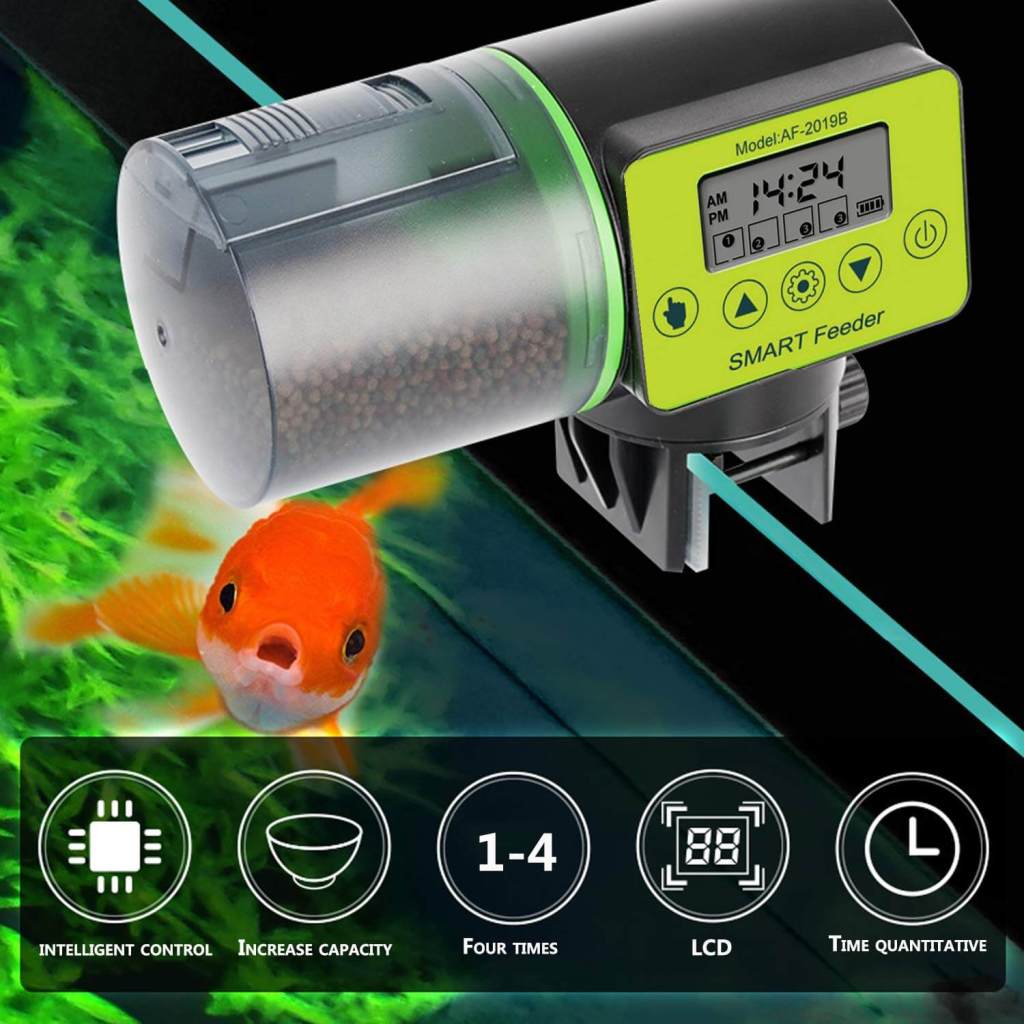
Your next best option is to use an automatic fish feeder to help feed the fish. The working principle of this convenient device is actually very simple. Load your fish’s favorite food, set the timer, and leave.

Whenever the timer starts, the automatic fish feeder dispense portions of fish treats for the fish. You can even set feeding multiple times a day. Some brands of fish food feeders have enough food for six weeks-more than enough time for your dream vacation!

Want to know more? Take a look at the fish feeders provided by Senzeal and find the perfect one for you!

Slow Release Fish Food to Feed Your Fish

Slow-release fish food is also known as vacation food-yes, it is clear that this product is designed for your fish when you leave home.

These small blocks of fish food have various shapes, sizes, and tastes! No matter whether you raise betta, bottom feeders or marine fish, there is always a meal that your fish friends will love.

At first glance, slow-release fish food is nothing special. Just a big piece of hard, oversized fish food.

But its working principle is actually very clever … Have you ever seen a bathtub bomb hissing as soon as it comes into contact with water? Well, these blocks of fish food have a similar effect.

Aside from not dissolving before your very eyes, these blocks of fish food will break down within a few days. When the blocks get soften, it releases food into the fish tank, making your hungry fish happy.

Slow-release fish food is probably one of the cheapest solutions, and you can feed your fish while on vacation-a pack will only cost you a few dollars. Before you leave, simply throw a few blocks of food into your aquarium. And it’s done. Your fish won’t suffer from starvation.

Fish food blocks are sorted based on how long they can keep your fish eating. Weekend feeding blocks can last up to 3 days, just enough to feed your fish on weekends. The vacation feeder block is up to 14 days long, enough for a long trip or a relaxing holiday. These three simple and cheap ways can prevent your fish from starving when you are on vacation.

Feeding fish is important. Using these products will at least ensure that the fish are alive when you return home. If you have any interest, come to our website for more information about fake coral aquarium products.

Can Goldfish Eat Betta Food?

Betta fish and goldfish are probably the most popular species for novice aquarium owners, but different types of fish require very different living environment and nutrition. Goldfish need a 10-gallon or larger fish bowl tank goldfish and prefer a tank filled with cooler water. Betta fish thrive in smaller, warmer fish tanks. Feeding betta fish food once or twice to goldfish will not kill the goldfish, but the digestive system and long-term nutritional requirements of goldfish are very different from betta fish. But what will happen if you feed Betta food to a goldfish?

What to Feed Goldfish

What is the difference between the diet of goldfish and betta?

While exploring whether goldfish can eat Betta foods, let’s look at the dietary structure of these fish in the wild and in aquariums.

Betta fish are carnivores. In the wild, they eat almost everything, from worms to insects to small fish. In fact, proteins make up 70% of their intake in the wild. To replicate this, most commercial betta fish foods contain about 50% protein.

Goldfish, on the other hand, are omnivores and require protein and vegetables. Their digestive system is different from that of bettas. Excessive protein intake can cause various problems, including gas, swim bladder disease, and even kidney failure if they eat too much.

Best selling aquarium food feeder:

Glass shrimp feeding dish

aquarium worm feeder

automatic aquarium feeder

What food does betta eat?

For betta, the best food is live foods, although it is unlikely to always be found. That’s why most betta owners use frozen or freeze-dried commercial alternatives.

Betta fish are surface eaters, so the food bought from online stores is formulated to float. The food you find on the pet store’s shelves is freeze-dried and is one of the easiest options. In addition, bettas also like to eat it.

Pellets are another option. They are made specifically for betta fish and provide protein and vitamins to help them maintain bright colors, but be careful not to eat too much. One pellet at a time, twice a day is the best amount.

Another reason not to overfeed pellets is that they sink very quickly, so they are more likely to cause problems with water and ammonia levels.

There are also Betta flakes available. Betta fish will eat them, but they are not the best choice. They usually do not have enough protein to satisfy betta.

In addition, they quickly sink into the bottom of the tank and dissolve in the water, which makes them almost impossible to clean up.

What food do goldfish eat?

In the wild, goldfish eat a variety of foods, including plants, insects, and even crustaceans.

Although you cannot fully adjust this diet, a rich variety can keep your goldfish healthy and allow them to grow to reach their full potential. Goldfish are not very picky, they will eat whatever you give them. That’s why you know how important it is to incorporate the right things into their diet.

Commercial goldfish food is different from betta fish food because it contains less protein and more carbohydrates. That’s why it’s important to use food prepared specifically for goldfish rather than ordinary fish food.

Can goldfish eat what betta eats?

Goldfish can occasionally eat the betta food as a way to get protein, but you should let goldfish eat less and feed them once a week as a special treat.

Goldfish prefer to eat food that has sunk in the middle or bottom of the fish tank, so if you give betta food to the goldfish, the goldfish will not eat it until it sinks.

Watch this very carefully, as any food placed on the bottom of the tank can break down, causing the ammonia content in the aquarium to rise.

Besides goldfish food, what else can goldfish eat?

If you run out of goldfish food, or just want to find something special for your aquarium pet, you can feed your goldfish with something you can find in the kitchen. These choices should be used with caution, but as a good supplement to your fish’s daily diet.

It’s mentioned that goldfish are omnivores, but their diet comes mainly from vegetables, so it’s safe to add vegetables as the supplement. Try peas with the shells removed, blanches broccoli, or small pieces of oranges, zucchini, or cucumber.

You can also occasionally provide brine shrimp or freeze-dried bloodworms, but remember that their main diet should be vegetables and fiber. If you are going to feed your goldfish with this kind of food, it is best to do it before changing the water. Any uneaten food can cause problems, but this food can become particularly dirty.

Get the Right Food for your fish

In general, feeding goldfish with beta food is not a good idea. The two species have little in common and their dietary needs are different. Betta fish need much more protein than goldfish, which can cause many problems over time.

If you want to give your goldfish a special treat every so often, several times a month, but not more than once a week, give them a bit of beta food. Exceeding this amount can cause digestion problems of goldfish or something even worse.

When you are feeding your fish, it is always important to do some research. Some people may think that “fish is fish”, but the fact is that betta fish and goldfish are two completely different creatures. The betta fish tank online for sale, welcome to consult.

Giving them the right food can help them stay happy and healthy with Senzeal.

You might be also interested in:

How to Choose Ornamental Fish Feed

How Do You Feed a Betta Fish?

Feeding and Care for Your Fish on Holiday or Vacation

Feed Tropical Fish

Easily Feed Fish in the Aquarium When on Vacation
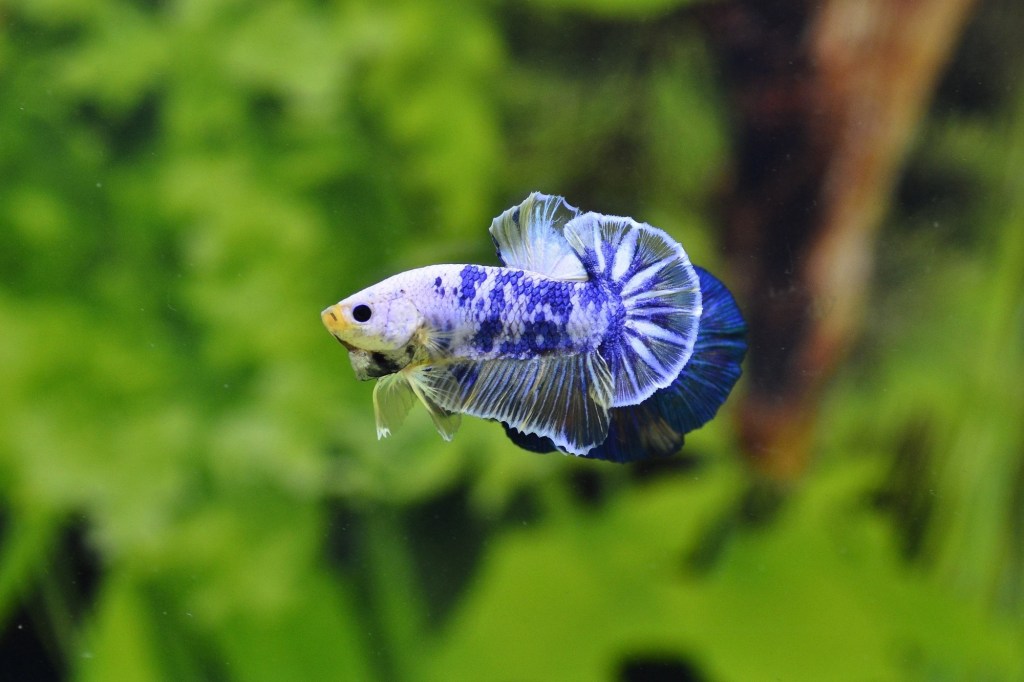
Can Betta Fish Live Together with Goldfish?

When you keep a betta in your aquarium for the first time, you may wonder what fish can live with it. Goldfish is one of the most popular dishes, so you might be thinking “Can betta fish live with goldfish?” Although they are very tenacious fish, keeping them together may not be a good idea. Continue to read to see why you don’t want to keep betta and goldfish together!

Because bettas need higher temperatures than goldfish, they need clean water (and goldfish are very dirty), goldfish need larger fish tanks (more than 30 gallons), and also because goldfish eat very quickly, it is definitely not recommended to raise betta fish with goldfish. However, for short periods of time and in extreme circumstances cohabitation is possible between the two species, although this should only be in dire times.

Let’s have a good look at reasons why Betta fish cannot live with Goldfish.

Betta fish is Aggressive

It’s knowing that betta fish are very aggressive, but goldfish are about the same size as betta fish and will grow much larger than betta fish, so they are likely to stay away from each other.

Goldfish, on the other hand, like to nip at fins which would agitate the Betta who also likes to nip. It’s just not a good combination.

Goldfish is Dirty

Another problem is that goldfish are very dirty fish. Keeping goldfish in the fish tank will greatly increase the chance of an ammonia surge. Betta fish are very hardy fish, but they are extremely vulnerable to ammonia poisoning and die quickly.

But this is not just a problem of ammonia poisoning. Keeping the tank itself clean often affects your betta. Because goldfish are dirty, they need frequent water changes. These frequent changes in water can put too much pressure on your betta and affect its immune system. So, as you can see, you will have to choose between keeping the tank clean (and putting pressure on betta) and not cleaning it frequently (at the risk of ammonia poisoning).

In addition to keeping the water tank clean, you also need a powerful filter to help reduce ammonia in your water tank. Although goldfishes don’t mind stronger filters, your betta fish will have difficulty swimming and will be more stressing. Betta fish do prefer a gentle filter with high output.

The Temperature Difference

Betta fish are tropical fish that need warm water to survive and be happy. Goldfish, on the other hand, is a cold-water fish. Objectively speaking, betta can survive in water at 76-82 degrees Fahrenheit. However, goldfish like temperatures of 68-74 degrees Fahrenheit. As you can see, this is a big difference.

You may be thinking that you can just meet in the middle at 75°F, but this is definitely not recommended.

76 degrees Fahrenheit is already the bottom line for betta’s survival. Ideally, you should keep them at 78 degrees Fahrenheit. Once the temperature drops below 76 degrees Fahrenheit, it can cause great damage to your betta.

If he doesn’t get into temperature shock (which is usually fatal), his metabolism will slow down. Slow metabolism means that he is more susceptible to constipation and swim bladder disease. It also increases stress, which can cause a wide range of illnesses. He’ll also become much more lethargic and prone to fin rot. This is because blood will have trouble flowing to the outer areas of your betta.

On the other hand, if goldfish are kept at too hot temperatures, they may also suffer from temperature shock. If they do not succumb to the shock of temperature, then their increased metabolism will put a lot of stress on their bodies. It may also cause a certain disease. Finally, increased metabolism caused by high temperatures can greatly shorten the lifespan of goldfish.

The Habitat Difference

Although bettas are sold in pet stores online in small plastic containers, in fact, bettas should be placed in 5 to 10-gallon containers with a larger surface area.

As for goldfish, it is generally mistaken for them to live in a small bowl. Goldfish actually need a lot of space, and ideally, a goldfish needs 20 gallons of space to grow. They are meant to grow quite large–some can grow to a foot long–and require a lot of space to reach their full potential.

In short, there are a lot of reasons why these two fish cannot live in the same aquarium. Both are sometimes aggressive, and they are likely to bite each other’s fins. In the end, goldfish will be much larger than bettas and will have the upper hand. Except for their incompatible personalities, they are basically the opposite of everything else.

Betta fish like warm water, and goldfish like cold water. The betta was clean and the goldfish was dirty. Betta fish like calm water and goldfish need a powerful filter. Betta fish like 5 to 10-gallon tanks with a large surface area and goldfish need at least 20 gallons of the tank.

It’s not easy to find a partner for a betta fish. But there are some other species that are good for keeping with goldfish. By finding the best tank companion, every creature will be happy.we have feeder goldfish for sale,welcome to buy.

You might also be interested in these articles related to betta fish:

How Long Do Betta Fish Live?

Common Diseases of Betta splendens Regan

Popular items for betta fish:

betta fish food dispenser

betta fish auto feeder

Triple Betta Tank with LED Lights

Best Double Betta Fish Aquarium

Benefits of Using Artificial Rocks to Decorate Your Fish Tank

Adding Aesthetic Elements to Your Fish Tank

When you are thinking of getting an aquarium or a fish tank for your home, there are a lot of considerations that would go into the whole process. From picking an ideal fish, setting up the perfect environment for them and placing the right objects in order to decorate the fish tank.

Once you’ve decided on which fish you want to buy and you’ve done your research on how to prepare the perfect environment for them, next comes the fun part – decorating! Have you thought about which decorations you’d like to use for your aquarium?

From many plenties of options that are both ornamental and functional to whimsical objects, artificial rocks are the most substantial ones that stand out in an aquarium. artificial coral for fish tanks is a common decoration seen in fish tanks. Artificial rocks enhance the aesthetic beauty of an aquarium making it look beautiful and realistic.

Like each and every kind of available decorations for fish tanks or aquariums, they all have advantages and disadvantages. The key is to know which matters more to you and that will help you decide on what to get.

Why Use Artificial Rocks for Fish Tanks?

It would be beneficial for you to get artificial rocks to decorate your fish tanks, for a number of reasons. But before that, you’re probably thinking, “Why don’t I just go with real rocks?” Well, there are a number of disadvantages for using real rocks for your aquarium and here are some of them:

1. Different rocks are only suitable for certain environments and specific fish. You’d have to do your research to find out if the rock types you are planning to buy would be alright for the type of fish you have.

2. Algae tend to grow on real rocks over time, making your aquarium or fish tank harder to clean. You’d have to make sure you take out all the rocks in order to fully clean your fish tank.

3. Real rocks are heavy. Placing too many real rocks in just one area of your fish tank – or generally placing too many real rocks in your fish tank – might compromise its durability. You’d have to find a way to support the fish tank so that it doesn’t break down.

Benefits of Using Artificial Rocks for Aquariums

With all those disadvantages, you may be leaning towards decorating your tank with artificial or synthetic rocks. Read on to learn about the benefits of using artificial rocks to decorate your aquarium or fish tank:

Artificial rocks would last longer and will stay in better shape than real rocks. Synthetic rocks were made to last underwater without becoming duller or losing shape. Placing fake rocks in your aquarium will allow you to enjoy these decorations till the time the fish is alive.

Generally, fake rocks (and other artificial aquarium decorations) are easier to clean. Maintaining synthetic rocks is much easier than maintaining real ones.

Using artificial rocks to decorate your aquarium would mean you won’t be taking anything away from the environment. Organic decorations are taken from specific areas in the environment, which may affect sustainability. You don’t have to worry about this when you opt to use artificial rocks to beautify your fish tank.

You’d have a lot more choices in terms of size and color if you choose to get artificial rocks. If you’re planning to have a specific theme or motif for your fish tank, you’d be better off getting synthetic rocks to go with it. You’d have hundreds of options to choose from, which would make selecting even more fun!

Speaking of fun, since you’d have to option to get more colorful rocks to decorate your fish tank, it would add an element of enjoyment and whimsy to your tank.

If you still prefer real rocks? There are artificial rocks that are also made to look like real ones like ARSTONE module rocks. For more organic themed fish tanks, you can opt to choose these kinds of synthetic rocks.

When you select artificial rocks for your fish tank, you don’t have to worry about it affecting the chemistry or pH level in the water. Some rocks could alter these properties, which in turn could be detrimental to the health of your fish.

When you’re buying artificial rocks, you don’t have to worry about insects or other bacteria which reside in real rocks to contaminate your fish tank. As artificial rocks are manufactured, you can be sure they are clean and they won’t make your aquarium water cloudy when you place them in.

Since artificial rocks are lightweight, you don’t have to worry about putting additional or too much strain on your fish tank. You can place more artificial rocks in an aquarium as compared to real ones.

Synthetic rocks (and all other synthetic decorations in general) are basically fish proof. Unlike organic decorations, fish or other creatures in your tank won’t bother nibbling on or being aggressive with these kinds of decorations as they are fake.

Just like real rocks, artificial ones can provide hiding places and homes for your fish, which is one of the most important reasons for getting them in the first place.

Decorate Your Fish Tank Now!

Now that you know of the benefits of using artificial rocks to decorate your fish tank, you can start looking for the perfect ones for your aquarium. There are multitudes of options out there – from small colorful rocks to decorate a small fishbowl to big, luxurious ones that you can use to add mystery and depth to your large fish tank.

One thing to keep in mind, though, is that you have to be smart in choosing your artificial rocks (or any other decorations) for your fish tank. Also, remember not to go overboard and overcrowd your tank with too many objects as this would not be good for your fish.

Having too many decorations – even lightweight synthetic rocks – would constrict your fish’s movements as well as limit its living space. Find a good balance between quantity and quality of decorations in your fish tank, which will make you and your fish happy!

We have aquarium artificial plants online for sale, welcome to consult.

Choosing The Perfect Fish Tank Ornaments

What is the first thing people notice when they step into a room that contains an aquarium? They see the movement of the mesmerizing fish; then they take a few steps closer and see the blooming, natural background, but it is not quite enough to quench their rushed neurological impulses. As they notice the aquatic plants and the movement of the waves through their leaves, they realize that they have been drawn in by the interesting complex aquatic ornaments that have been gleaming at them from afar. As they study each one, they tell their own story that completes and adds to the tank’s incomparable uniqueness. But choosing the ones that will actually add value may not be as easy as you would think.

What are Fish Tank Ornaments?

With so many options available today, how will you ever know which ones to choose? There are ornaments that are made from natural stone, plastic, ceramic, different plants, driftwood pieces, or even a combination of some of these materials. Some ornaments can even be made at home, such as using old mugs as a great hideaway for fish or placing stickers or vinyl to the outside of the tank.  The possibilities are endless and depend upon your budget. Just keep the safety of your fish in mind and you will be well on your way when adding ornaments to your fish tank.

Benefits of Fish Tank Ornaments

Having ornaments in your fish tank is quite beneficial for your delicate fish and living aquatic creatures. Not only does it provide shelter for them, but it is also a great place for the young and older fish to play in or around.

1. They offer long-lasting beauty

Aquarium decorations such as artificial plants and corals improve the appearance of your aquarium as they are usually very colorful. They are not affected by water type and can, therefore, be used in both freshwater and brackish water aquariums. Since they are artificial, they won’t die and the fish can not eat them. This makes them very durable. They require only a slight effort to look after and do not ever lose their physical appeal.

2. They are a hundred percent safe to use

The most appealing quality that artificial aquarium accessories possess is their inability to react with any component of your aquarium. They have no effects on the chemical composition of the aquarium. They are free of harmful pests and parasites, such as snails and do not undergo biological changes like decomposition. They, therefore, cause no harm to any of your aquarium’s inhabitants.

It is however recommended to take them out every month and clean them using a special cleaning agent made specifically for aquarium accessories. This is in order to remove traces of organic and mineral deposits that may have collected on their surface.

3. They are cost-effective

The aquarium needs only incur initial costs, as there are no maintenance costs that come with aquarium accessories. Artificial plants and corals do not require special lighting and are not affected by aggressive aquarium conditions.

Their durability is another factor that makes an ideal investment.

4. They offer immediate result

Artificial aquarium accessories enhance the appearance of any aquarium within a matter of minutes. One needs only to purchase them (they are readily available in most supermarkets), cleanse them, and place them in appropriate locations within the aquarium.

You’ll have yourself a lush aquarium within minutes by doing this.

5. They are fun and flexible

Just like with any other form of décor, one’s choice of aquarium accessories is only limited by their imagination. There are many interesting varieties of artificial aquarium accessories.

Artificial corals, especially, come in incredibly attractive colors. Whichever look you prefer to give your aquarium is entirely up to you. You may decide to go with a fun SpongeBob’ look for one season and switch it up to something more subtle the next season.

Another added advantage of aquarium accessories is their ability to conceal unappealing parts of the aquarium. Water filters, for instance, can be cleverly hidden by aquarium ornaments.  You might be interested in aquarium plants & driftwood for aquarium.

An aquarium is a miniaturized freshwater or saltwater ecosystem, complete with aquatic animals, water-dwelling plants & driftwood aquarium. Typical aquaria have at least one transparent side for display. The most common marine animals kept in aquariums include fish, amphibians, crustaceans and small water-dwelling reptiles such as turtles.

Aquariums come in different sizes, from small bowls to large public fish tanks, and are often made of glass. Aquaria have come a long way since the creation of the aquarium principle in 1850 by chemist Robert Warrington. Aquarists are now investing in artificial aquarium decor, in a bid to add color and glamour to these fish tanks.  

The most commonly purchased accessories are aquarium gravel, artificial aquatic plants and corals, and other forms of aquatic ornaments. Some of the benefits come with aquarium accessories.

We have aquarium ornaments for sale, welcome to consult us.

通过 WordPress.com 设计一个这样的站点
从这里开始