Aquarium Fish Keeping Tips 1

Fishkeeping can cultivate temperament and beautify the environment. However, in order to keep fish well, you need to pay attention to every detail of life, so that the fish can live a healthier life. So what are the tips and precautions for fish keeping in the ultraviolet sterilizer aquarium? In the newly set up aquarium, you must take care of the water for at least 5 days before considering putting the fish in it. The water added to the aquarium fish keeping is preferably tap water that has been stored for more than 3 days, and the temperature of the water is generally controlled above 20 degrees Celsius. The normal water level of the aquarium is best kept on the decorative surface on the top of the tank.

In order to ensure that the water quality of the aquarium is good and the fish and plants can grow healthily, I hope fish owners can follow the precautions below.

Maintenance of newly setup aquariums

To keep fish well, water is the key! The newly-setup fish tank contains many substances that are toxic to the fish with the tap water. The fish tank must be continuously circulated for water, pump oxygen, and light in a timely manner 24 hours a week. Light can effectively remove toxic substances in water, such as chlorine in tap water and virus bacteria). Do not stop at will without special circumstances.

Purchasing and adding fish

1. After the newly setup aquarium has been running for one week (minimum water care time is more than 5 days), the water has been basically dealt with. At this time, you can consider adding fish. When buying fish, you must go to a professional aquarium online store like Senzeal. Buy fish that are free of germs, grow healthy, swim naturally, and are active. (Do not buy fish on a stall or in a place where the water quality is obviously dirty. This fish may be infected with bacteria.)

2. After the fish is bought home (tropical ornamental fish should be carried home in time when the temperature is low, so as not to affect their survival due to the large temperature difference), do not hurry to put the fish in the fish tank, and rinse the outside of the bag containing the fish with water. Put the fish and the bag together in the water of your own fish tank for 15 ~ 30 minutes (this is for the fish to gradually adapt to the water temperature. Sudden temperature rise or temperature drop more than 5 degrees Celsius will make the fish catch a cold and get sick). Then pick them up one by one with your hands and place them gently in the tank. Do not pour the water you brought home with the fish into the tank.

Fish breeding, feeding, and care

1. The fish breeding density is a very professional issue, and it is related to the volume of the aquarium, the size of the water surface, the type of fish, and the polyculture of the fish.

2. The newly purchased fish must wait for 48 to 72 hours before feeding. Because fish are frightened during stocking, and they need an adaptation process for new water bodies and new environments. This can improve the survival rate of fish. The amount of the first meal must be small and gradually increased afterward.

3. It is best to quantify the feeding amount each time. The feeding time is preferably 2 hours after the light is turned on or 3 hours before the light is turned off (the fish will get enteritis if they do not fully wake up and do not fully digest the food before getting into sleep). The most scientific way to feed tropical ornamental fish is once every two days (it can also be done once a day, and you must not feed it multiple times). It is advisable to let fish eat less, not more. Too much feeding causes the fish to eat too much and can get enteritis and swell.

Fish food that can’t be eaten should be removed in time. Fish don’t like to eat leftover food! Sedimentation can affect water quality and subsequent fish diseases. Fish food should be purchased from regular manufacturers. Do not throw other food in order to avoid fish poisoning or bringing bacteria.

4. Pay attention to the dynamics of the fish every day when you feed the fish and watch the fish normally. If you find any abnormalities, you should deal with them in time.

The care and maintenance of aquatic plants

Aquatic plants are not only landscaping and ornamental in the small aquarium. Its roots also bear the burden of decomposing and absorbing organic waste. Its leaves can release oxygen in the water, and can also absorb 30% of fertilizers, so taking care of aquarium plants are also an important part of the ecological aquarium (placing plastic water plants in the box will produce harmful chemical elements such as polyethylene, which will damage water quality). In addition to absorbing organic matter in the fish tank, it also needs the fertilizer on which it grows. This liquid fertilizer can well meet the various indicators required by aquatic plants. The aged leaves should be trimmed and clipped out in time to avoid contaminating the water quality.

You might also want to read more:

Things to Know Before Decorating Your Fish Tank

Freshwater Angelfish

Saltwater Aquarium

Aquarium Fish Keeping Tips 2

Water maintenance

1. The circulating flow of water is an important basis for ensuring good water quality. No matter how good the water is, it will turn into stinky water. Therefore, the circulating water pump must ensure 24 hours of uninterrupted work. In addition, an appropriate amount of “ecological bacteria” developed by our company should be added once a month to maintain the gradually lost ecosystem.

2. The water will evaporate, and the water level of the fish tank will drop after a period of time. At this time, we need to add water to the fish tank. In order to better ensure the quality of the water, it is best to store tap water for more than 3 days (that is, dry water, but not more than 7 days). A small amount of water can also be used directly, but slowly from the filter tank Join.

3. For tropical ornamental fish, according to the habits of tropical fish, the temperature of the water is generally controlled above 20 degrees Celsius. Depending on the type of fish, the adaptive water temperature is different. Most tropical fish except special fish are adapted to this temperature (not cultivated tropical ornamental fish) And aquatic plants do not require control of water temperature).

4. It is best to keep the normal water level of the aquarium on the decorative surface of the top of the tank. This increases the water capacity and oxygen and increases the activity space for the fish. The full tank of water gives people a vision like a real underwater world. Normally, you should add fresh water frequently, and you can’t let the water level drop below 3 cm, because adding too much raw water at one time will affect the quality of the water, which will destroy the existing ecosystem and cause adverse factors for fish.

5. While watching and feeding the fish every day, you should also pay attention to the observation of the water level, whether the water in the tank is circulating and the water temperature is normal.

a. When the water level drops (up to 3 cm), new water should be added to the decorative surface on the top of the tank in time.

b. When the water in the tank stops flowing, it should be timely checked whether the submersible pump for circulating water is working properly and whether the power supply and water pipes connected to it are disconnected. If there is a problem, it should be promptly handled and replaced. Bad). If the submersible pump is not replaced in time, the water will stop circulating until the water quality is deteriorated, and the fish will lack oxygen and become ill, which will seriously lead to the death of the fish.

c. If the water temperature in the tank drops sharply, check if the power supply of the automatic thermostat functions normally. You should timely replace the broken automatic thermostat if it’s broken, or the fish will be frozen to death because of the low water temperature.

If you need to withdraw the aquarium thermostat controller, the power should be cut off for 15 minutes before it can be drawn out. If drawn out immediately, the thermostat will burst because of no heat dissipation.

Cleaning and maintaining of physical filtration system

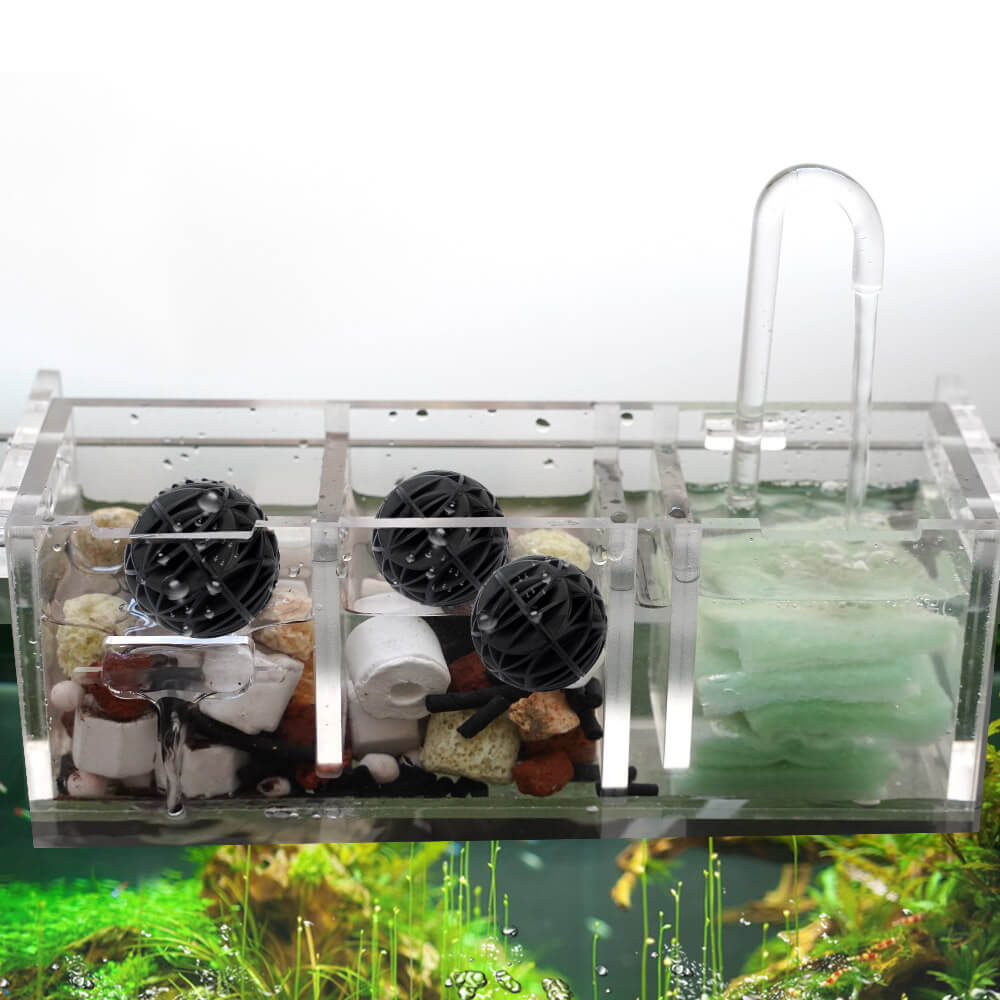
After a long period of use, the filter material will inevitably accumulate some residues on its carrier. Excessive residues will affect the circulation of the water cycle and affect the quality of the water. Therefore, it is recommended to clean it every six months (please wash immediately when the filtered water flow is obviously weak); The water is smooth, strong, and the water is clear, no cleaning is required). The cleaning steps and precautions are as follows:

1. Unplug all the power plugs of the aquarium and disconnect the power supply (it needs to wait 10 minutes for the automatic thermostat to cool down before it can leave the water surface, otherwise the glass tube will burst).

2. Prepare a clean container and take out the filter materials one by one (or hook them out with iron wire) and place them in the container (note the order of taking out).

3. Use the water of your own aquarium (it is not suitable to use tap water, because fresh tap water contains a variety of bactericidal drugs that will kill nitrifying bacteria). Rinse the surface residues and dirt one by one, and do not completely wash them off (the brown-yellow sticky objects above) In fact, it is the nitrifying bacteria that regulate the water quality, and the bacteria that are beneficial to fish and grass are implanted here.) The filter cotton can be properly twisted by hand to enhance its water permeability. Remove the filter cover of the submersible pump and wash it. It is strictly prohibited. Wash with chemical detergent.

4. Put the cleaned objects into the tank one by one in reverse order (submersible pumps and automatic thermostats must be placed in the bottom of the water, otherwise the submersible pumps will burn out and the thermostats will burst), then plug in the electric source to check the submersible pumps. And the automatic constant temperature rod works normally and the water circulation is good.

5. It is recommended to replace the aging filter material (phased replacement) and water grass tube after one year (the aging filter material and water grass tube can no longer produce the proper effect).

Light in the aquarium

We know that all things depend on the sun, as do the fish and grass in the water. They also need appropriate aquarium lamp to satisfy their survival and growth. Therefore, the scientific use of light time is not only convenient for us to watch, but also helps the growth of fish and water plants. Generally, turning on the lights for 5-8 hours (at least 3 hours) every day can meet the needs of fish and waterweeds. Excessive lighting will breed algae and waste electricity.

Cleaning in the aquarium

After using the aquarium for a long time, the algae (moss) will grow on the inner wall and the bottom of the tank. The aquarium cannot be placed in direct sunlight, because the sunlight can accelerate the growth of algae. Water quality and beauty. Therefore, in addition to eating part of the scavenger (a type of tropical fish), we still need fish aquarium cleaning tools to clean it manually.

1. A strong magnetic brush dedicated to the aquarium can be used to scrub the inner wall to achieve a satisfactory result.

2.The special sand washer for the aquarium rinses the bottom sand and sucks out the accumulated nitrifying bacteria for a long time, which cannot nitrify the dirt.

Saltwater Aquarium

Building a new aquarium can be a daunting task, but once we arrange our fish a new home so that it can enjoy the aquarium freely, it’s all worth it.

You have to know that there are many steps to turn a saltwater aquarium from an idea into a reality. Although more expensive than freshwater aquariums, saltwater aquariums offer a variety of fish. Many people are attracted by the unique appearance and behavior of corals, which are not found in freshwater environments. By mixing these different creatures together, you can create something beautiful. No matter which room you put the aquarium in, it will brighten up.

Saltwater aquariums are often considered difficult to set up. What we are telling you here is that when you start a new saltwater aquarium, this isn’t the case by walking you through everything you need to know.

Types of Saltwater Tanks

There is a lot you can do with a saltwater tank. If you need inspiration, here are a few of the main types of marine aquariums.

Fish Only

There are many things you can set in a saltwater tank. If you need inspiration, here are some of the main types of saltwater aquariums.

Only fish

Fish is usually the main reason people own an aquarium. If they are everything you want, then why bother with other things?

This is the most basic and cheapest aquarium. You just need to consider the needs of your fish. You can choose a species aquarium or a community aquarium. Although this is the most basic type of tank, a fish tank is not necessarily the easiest to set up.

Living rocks will introduce more beneficial bacteria into the water tank, so it will take longer to circulate the water tank without live rocks. For the same reason, you may need to clean the tank more frequently and perform more water changes to maintain high-quality water.

Fish Only with Live Rock

This type of fish tank is almost the same as a fish-only fish tank, just with the addition of live stones. As mentioned earlier, live stones are very useful when you are building a new aquarium to help keep it clean, which saves you a lot of time. They control the population of bacteria that break down ammonia and nitrite into less toxic nitrates.

There aren’t many negative effects of using live rock, and the extra cost may discourage some people, but it is not too expensive compared to the grand plan you have already spent in the aquarium. It’s worth noting that you may need to change the light in your fish tank for any photosynthetic organism that grows in the rocks.

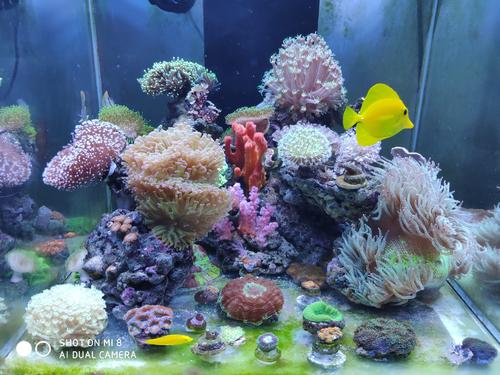
Reef Tank

Coral reefs are arguably the most attractive ecosystem in our oceans, and may even be the most attractive ecosystem on our entire planet. You may want to capture this beauty and make your own coral reef at home.

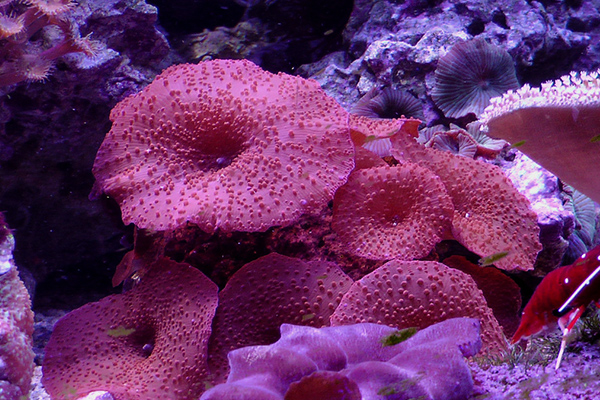
The main difference here is that you keep corals in your aquarium, and they have their own needs. You can keep corals on their own or with some fish. This can be a challenging aquarium for beginners. Water quality and lighting are crucial for corals, it’s hard to maintain these and monitor parameters regularly.

Reef tanks are expensive too, as they often need extra equipment. The corals themselves can also be expensive.

Saltwater Aquarium Fish to Keep For Beginners

Typically, saltwater fish are usually a little weaker than their freshwater counterparts. However, you should not be discouraged, as there are still some hardy saltwater fish for beginners. Beginners should look for small, hardy fish that aren’t aggressive. If fish meet these criteria, they should be easier to care for.

Probably the most popular marine fish available are Ocellaris Clownfish, made popular by the film Finding Nemo. Luckily, this is a hardy species that are great for beginners. An option for the lower levels of your tank is the Lawnmower Blenny. This herbivore hides in caves, only coming out to eat. They should be kept singly as they might nip other similarly sized fish.

The list goes on, including Chalk Bass, Coral Beauty Angelfish, Firefish, Klein’s Butterflyfish, Pajama Cardinalfish, Royal Gramma and Six Line Wrasse. There are lots of great fish, but there are also many that beginners should avoid. This is usually because they are sensitive to changes in water quality, or they are particularly aggressive. For example, most Damselfish are very aggressive. They will claim an anemone as their territory, and defend it from other males that come near.

Finding the right species is all about research, you should choose your fish before you design the rest of your tank. This lets you design the tank around them, giving the fish everything they need.

It takes a lot of thought to set up a new tank, especially a saltwater aquarium. Think about what animals you want to keep, and the size, equipment, and decoration of the aquarium. Once everything is planned, it is relatively easy to complete the establishment of an aquarium. The cycle takes a while. The most difficult part is maintaining the tank-you learn this through a mix of research and practice. Beginners should pick hardy fish at the beginning. The aquarium’s environment has some of the most appealing creatures, and taking them home creates a real wonder. Come to our website to buy your aquarium products online!

You might be interested in these items for saltwater aquarium:

Saltwater aquarium thermometer

Fake corals for saltwater aquariums

Freshwater Angelfish

Angelfish (also known as Pterophyllum scalare) is unique freshwater cichlid species from South America. They are the most popular freshwater species, with tall fins and smooth scales, and are favored by many aquarium owners. Angelfish tend to grow colorful, slender, and about 6 inches long. When angelfish are raised in the aquarium with their own species, they behave very quietly, unlike other very small species, especially those that live up to 10 years.

Aquarium Habitat

Angelfish prefer a small-capacity aquarium. The minimum capacity can be a 20-gallon aquarium. If you want to use a larger-capacity aquarium, it is recommended to use a higher aquarium instead of a wider one. A temperature range of 23-280 degrees Celsius (73-82 degrees Fahrenheit) and an acidic pH (6-7) are ideal for angelfish. These fish can live peacefully and enjoy an intensively planted aquarium. Small fish and fin-nipping fish shouldn’t be kept with angelfish in the same aquarium since they tend to show aggressive behavior if the tank is overcrowded.

In addition, in crowded aquariums, water dirt and ammonia levels increase rapidly. Therefore, it is important to check the water for ammonia content weekly, change the water weekly, and replace the filter media weekly.

Diet

Angelfish are omnivorous fish, but they are mainly carnivorous. In nature, they feed on small crustaceans and aquatic invertebrates, while in aquariums, their diet can vary based on a commercially formulated cichlid diet: flakes or pellets, and live, frozen, or dried food in the form of bloodworms, white-worms, and/or brine shrimp. Additionally, algae wafers and vegetables are also recommended for a plant source diet.

Breeding

Angelfish breed in pairs. Since it is difficult to distinguish between males and females, breeding should start in separate breeding tanks. Genital papillae of male angelfish can be seen only during mating periods; however, males tend to be more aggressive than the females as well.A healthy angelfish selection is very important for breeding; genetically weakfish should be eliminated from the tank.

First, six small angelfish should be placed in a separate fish tank and let them choose a mate separately. Breeding pairs can also be purchased from stores to make the breeding process faster. Spawning can be observed when the female angelfish lay eggs and the male angelfish fertilizes each egg.

After breeding is finished, adult angelfish should be transferred to community tanks, because sometimes angelfish parents often eat eggs and newborn fry. In the breeding tank, water should be clean and of the highest quality with normal water temperature.

Diseases

If the water in the fish tank is found to be clean and not overcrowded after a period of time, the angelfish is likely not to get sick, otherwise, it will not. For aquarium owners who want to raise angelfish species, it is necessary to know these things: the most common diseases of angelfish are angelfish virus, flagellates, angelfish parasites and capillary symptoms. Angelfish virus is a deadly disease, which can easily infect the whole population. In 2-3 days when the symptoms (clamped fins, excess slime, lifeless) appear, the fish should be moved into the quarantine tank.

If the fish still shows symptoms, it should be killed. The survival of this disease depends on the immune system of the fish, as there is no medical treatment for this viral disease. Protozoans produce flagellates, which can occur when fish are stressed, such as overcrowding, poor water quality, or limited food. In the wild, Hexamita can occur in all angelfish whereas an outbreak causes a significant problem. If the fish exhibits white feces and decreased appetite without any external symptoms it should be separated into a quarantine tank until the condition gets better. Parasites, such as the common Capillaria and gill flukes, are another important health problem. Capillaria is a worm-like hair about one-inch in size and the eggs can be found in the feces of the fish.

Disease Treatment

Before treating any disease that angelfish may contract, first consult a medical professional. In addition, some practical information can help prevent fish diseases. If there are parasite problems, higher aquarium temperatures may be useful, not for viral and bacterial diseases. If you find that your fish is infected with a disease, be sure to investigate other species in the aquarium to avoid an outbreak.

We provide the best quality freshwater planting tanks and aquarium supplies at the best prices. If you want more information about angelfish or anything else, please continue to visit our website senzeal.com or you can contact us immediately.

Aquarium supplies for Freshwater Angelfish:

Fish breeding supplies

buy aquarium lights online

Fish tank heater controller

Aquarium cleaning kit

Things to Know Before Decorating Your Fish Tank

You have a perfect fish tank with a variety of filtering devices. You have prepared a water quality test kit. You have a list of fish in your collection. The next thing is about decorations. Sometimes, aquarium owners are so excited about all kinds of cute decorations that they fill the fish tanks with a lot of stuff. This is of course not feasible. Not only does this make maintenance of the tank more difficult (think how to clean the aquarium with gravel), it also looks tacky. With this in mind, how should you choose the right substrate and plants before filling the aquarium with various decorations? Buy cheap fish decor from SENZEAL!

What Aquarium Substrate Should You Use?

The first thing you have to think about is what kind of substrate to use. There are many different options. Do you want a sandy bottom? What about small stones or big gravel? You can even use small stones. Do you want to use glass pebbles? Do you want to make the fish tank look colorful or more natural?

When choosing a substrate, it is most important to consider your fish. Sometimes the type of fish you want will dictate what kinds of substrate you have to use. If you want to fish like eels or knife fish, you need to have a sandy bottom. Eels will spend most of their time on the bottom, and if you have a rocky substrate, they will rub their bodies raw, which is bad for them. If you are considering a freshwater ray, then you need to have a large bottom with sand. They will bury themselves in the sand, which would be nearly impossible for them to do safely in a tank with gravel as the substrate. Sand will also give your tank more of a saltwater feel, which many people desire.

However, sand does have some disadvantages. If you plan on doing gravel washes, which you should strongly consider, and can make them more annoying. Since the sand is smaller and lighter than gravel, it tends to travel higher up the tube. It also tends to end up in whatever you are using to collect your wastewater. This means that you will need to replace sand more often than you would have to replace gravel.

Gravel and stones are common choices for freshwater aquariums. They create a natural look for the tank and they are easy to clean. They are a better alternative to colored glass pebbles which, however pretty, are not always the best choice for a large fish tank. Glass pebbles aren’t necessarily bad for your fish, they simply do not provide as much surface area for good bacteria to colonize. You need good bacteria to keep the nitrogen levels in your tank in check. Glass pebbles over time will break down, as is natural, and gravel will erode as well. However, the glass pebbles will have sharper edges whereas the gravel will just become finer. Glass pebbles are pretty, but they are just for show. It would not be harmful to have a few of them scattered throughout the bottom of the tank, as they will add some color. Just be sure to change them out once they begin to show signs of wearing down.

You need to make sure that everything you put in the tank is properly cleaned-including your substrate. Sometimes you need to rinse several times to get rid of all the dust and debris.

Choosing Real or fish tank fake plants for Your Aquarium?

In many aquariums plants are very popular decoration. Some people like them because they are colorful. Some people add them because plants are found in many freshwater environments, and they give a fish tank a more natural feel. If you go to a pet store, you will see a lot of choices about aquatic plants. The vast majority of home aquariums use plastic plants in place of live ones. Why? The plastic plants are often more colorful than real plants, coming in colors that are not found in nature. They are also easier to maintain since they cannot die. And, like real plants, they offer the fish a place to hide.

However, real plants can provide systems that fake plants cannot: They can help improve the water quality in your tank. How is this? Plants need to use nitrogen and in an aquarium, they are able to use the fishes’ waste products. This keeps the levels low in the tank, which is a great bonus. Plants also use CO2 (carbon dioxide) for their respiration and give off O2 (oxygen) as a waste product. This is great for home tanks, as carbon dioxide build-up can be toxic and stable oxygen levels not only help your fish breathe, they can help maintain a stable pH level.

Of course, fake plants have their own advantages: they don’t drop leaves or die. Dead leaves and plant decay can cause a surge in nitrogen in the tank. This surge puts stress on the fish, and if it reaches a certain high level, it can lead to the death of aquatic life.

If you are interested, please continue to visit our website senzeal.com for more information about funny aquarium decorations or buy unique aquarium decorations now!

How to Choose the Fish Tank Ornaments

When people walk into a room with an aquarium, what do they notice first? They see the movement of a fascinating fish; then they step closer and see a blooming, natural background, but this is not enough to calm their nerve impulses. When they noticed the movement of aquatic plants and waves through the leaves, they realized that they were attracted to the interesting and complicated fish tank decorations. As they watched and studied each one further, as if they were telling their own story, completing and adding to the unparalleled uniqueness of the aquarium. But the problem is that choosing aquarium decorations that really add value to your tank may not be as easy as you think.

What are Fish Tank Ornaments?

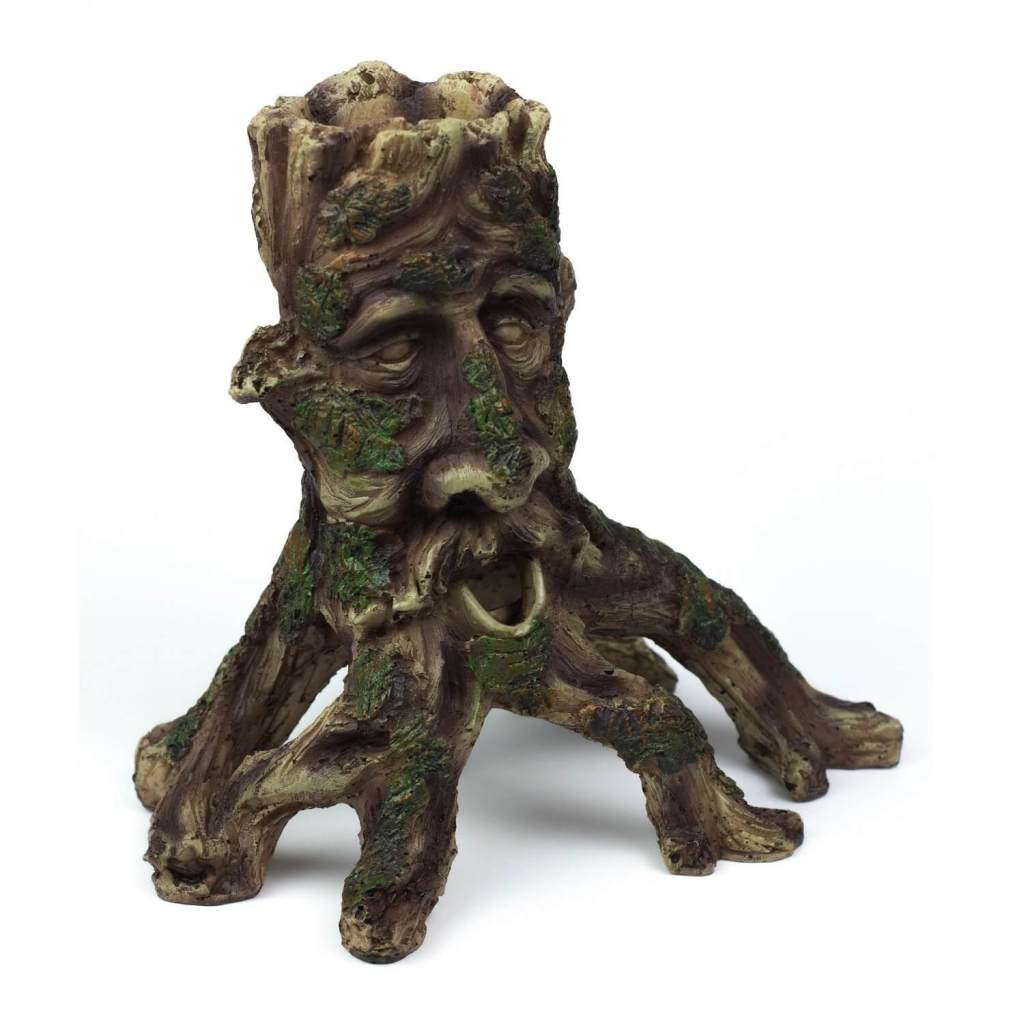
With so many options available today, how will you ever know which ones to choose? There are ornaments that are made from natural stone, plastic, ceramic, different plants, driftwood pieces, or even a combination of some of these materials. Some ornaments can even be made at home, such as using old mugs as a great hideaway for fish or placing stickers or vinyl to the outside of the tank.  The possibilities are endless and depend upon your budget. Just keep the safety of your fish in mind and you will be well on your way when adding ornaments to your fish tank.

Benefits of Fish Tank Ornaments

Having ornaments in your fish tank is quite beneficial for your delicate fish and living aquatic creatures. Not only does it provide shelter for them, but it is also a great place for the young and older fish to play in or around.

Choosing the Perfect Fish Tank Ornaments

To choose the perfect fish tank decoration, evaluate yourself. Your fish tank decoration should help bring your imaginary objects to the life-the theme and the contrast combined with the perfect array of colors. Decide on a theme or a certain colored first that is the basic step toward your ultimate goal of creating a beautifully playful home for your fish. Keep the type of fish you want in mind when buying aquarium ornaments. What do you think will make them feel comfortable or stressed? By researching the natural habitat of the fish, you can base your ornaments around how they will benefit the fish.

If you have a lot of bright colors in your tank, you can think about getting brightly colored fish since the colors will automatically complement each other. Be careful not to use ornaments with sharp edges as they can be harmful to your fish when they swim by it. It is also wise not to use too many large fish tank ornaments as your fish will usually hide behind them and seeing your fish may be difficult. One or two large ornaments will be quite enough depending on the tank size. Always clean any new ornament you put into your tank. You can usually use boiling water and a toothbrush to rinse them off.

You also don’t want too many decorations in a fish tank, because it will make your fish tank look messy. With the right combination of cool fish tank ornaments, you can turn your fish tank into a classic masterpiece. Keep in mind that no matter what theme, color or fish you choose, if you follow the instructions and adopt suggestions and tips, you will have a rather unique underwater design creation that will be presented to you and your guests and your fish friends, a quite relaxing and inspired living space.

Once you have selected all the fish tank decorations, you may need to rearrange it a few times before it is absolutely perfect. Just keep trying until you get it right and your fish will like you. Don’t forget to check out our aquarium decoration products. We have aquarium ornaments for sale, if you need aquarium decoration items online shopping, you can contact us at any time.

Add and Clean Decorations in Your Fish Tank

In terms of adding decoration to the fish tank, there are certain limitations. If you like, you can even buy miniature replicas of Bikini Bottom or Stonehenge. The pet shop’s shelves are filled with all kinds of weird things such as fake rocks, corals, and sunken ships. These items are specifically designed for fish tanks. This means that these materials will not deteriorate if immersed in water for a long time.

Adding Decorations to Your Fish Tank

There are a few things to keep in mind when choosing decorations for your tank. You need to know how big the bottom of your tank is. You also need to keep in mind anything else you might already have. Are you adding plants? How many? The last thing you need to keep in mind is exactly what you want your tank to look like. Many people often go overboard when it comes to picking out decorations for their tank. It can be really easy to do and let’s face it, it’s really fun to pick things out for your tank. Just keep in mind how much space you have to work with. Do you really have room for that sunken ship, fake corals, and the giant treasure chest? Sometimes simpler is better. One large piece and a couple of smaller pieces are all you need, especially if you are adding plants.

You may want to add real corals and driftwood. It may be dangerous. You don’t want to add any disease or parasite to your fish tank. Also disturbing coral reefs is illegal in many places, not to mention extremely frowned upon in the aquarist and diver communities. Since I do not support this practice, I will not discuss it further. But, I will say this: Live coral loses its color once it dies, and wouldn’t you rather have fake coral that has a realistic color instead of a white mass in your tank?

Sometimes people tend to add things that aren’t suitable for a fish tank. You will be surprised at what some people want to decorate. Sharp edges, concrete, copper, and plastics that have been painted should not be put in your fish tank. Why? These items will cause problems. Copper is toxic to fish and concrete is going to leach chemicals into your tank. Sharp edges can harm your fish and should always be avoided. Paint can flake off or poison your fish. If you ever put something in your tank and notice that it seems to be flaking or the paint is disappearing, remove it immediately.

If in doubt, don’t add it to your tank. Safety is better than regret. After all, do you really want to put your fish in danger in order to keep your fish tank with faux jewelry? Always remember that no matter what you add, you have to rinse it thoroughly before putting it in.

How to Clean Aquarium Decorations

No matter what you use to decorate, except for living plants, you always need to clean it up. You need some basic tools to clean your water tank and decoration. Bristle brushes, upholstery brushes, and gravel cleaning tools are several things that are recommended. Be sure to choose the item that matches your fish tank, and remember that acrylic is more likely to be scratched than glass, so never use rough brushes or mats on acrylic fish tanks.

1. Scrub Off Algae and Gunk

The first thing you want to do is scrub off any algae or gunk from your decorations and the walls of the tank. The hard-bristled brush is good for scrubbing the decorations and the soft pads, especially with the long handles, are good for the walls.

2. Change the Water

Once you have scrubbed the algae, it is time for the water change.

3. Clean the Substrate

Cleaning the substrate is easy, and you remove your water at the same time. Two birds with one stone, what is better than that? A gravel wash tube is typically an acrylic tube with a flexible hose that goes into a bucket. The acrylic tube and hose use suction to shake up the gravel and pull dirty water, detritus, and poop through the hose and into the bucket. (aquarium cleaning kit)

How often the rubble is cleared depends on several factors. How many fish do you have? Do you often overfeed fish? Do you have plants that have dropped leaves? Even if your tank is of good water quality, you should consider doing a small gravel wash once a week to remove excess food, feces and debris Crumbs.

Cleaning the decorations in the water tank can make them brighter and make the water tank healthier. It’s also very satisfying to see all the gunk removed by you from the gravel of your tank. We have multiple betta fish tank for sale,  If you are interested in the best fish tank ornaments, please check out our aquarium decoration products for more!

Things You Need To Know About Drop Checkers

Mastering carbon dioxide is the most important skill in a planted aquarium. Aquarium plants use light energy to extract carbon from carbon dioxide, which is then used to make carbohydrates. Sugar is a basic carbohydrate. Plants combine phosphate and carbon to form nutritious sugar. It is this phosphate sugar that is used for growth and reproduction. Sugar is so important that plants immediately sense a reduction in carbon supply, which negatively reacts to the loss of valuable carbohydrates. As light intensity increases, the demand for sugar from aquatic plants increases rapidly.

Why tank water should not be used in the drop checker

If dissolved carbon dioxide is the only source of acidity in the tank, then measuring the pH and using an equation/graph to determine the concentration of carbon dioxide is simple. Unfortunately, this has almost never happened. There are many acidic and alkaline substances in the tank, from urine, ammonia to phosphates that we add as nutrients. Therefore, the pH measured in the water tank is not reliable because it cannot accurately reflect the acid produced by the carbon dioxide dissolved in the water.

It is generally accepted that the drop checker is filled with distilled/deionized water / reverse osmosis water adjusted to a known kH value. In this way, the water of the drop checker is separated from the container, and only directly contacts the carbon dioxide. The carbon dioxide evaporates from the container into the air bubbles of the checker, and then enters the water sample. It was reasoned that a distilled water sample adjusted to a carbonate hardness of 4 dkH a 30 ppm concentration results in a pH of approx 6.6 which, using the reagent of a pH test kit in the drop checker turns the water sample in the checkered green. 4dkH water has now become the standard solution for drop checkers, however, 5 dkH can be used as well. With a 5 day a green color (6.6 pH) will indicate 38 ppm. These solutions can be made but AE also sells it.

How are aquarium drop checker assembled and installed? Drop checkers come in a variety of sizes, shapes, and materials, such as plastic or blown glass. Blown glass is valuable and more expensive because it adds aesthetic appeal when installing a water tank. Due to its geometry, there is no difference in the performance of drop checkers. Sometimes its shape and structure make it difficult to distinguish colors.

Some drop checker kits are sold separately with pH reagents and 4DKH water. Other kits sell a premixed liquid that mixes the two liquids. Either method works, but the mixture is more convenient.

When should the reagent be replaced?

The standard practice is to clean the container and change the drop checker fluid with each water change, usually weekly. Other factors affecting the availability of carbon dioxide in plants if we can detect carbon dioxide visually in a tank, we will find that its distribution is uneven. Plants in the upstream area have larger passages than those located directly behind the downstream. Flow and distribution are not discussed nearly enough but they are as critical as bubble rate and peak concentration. It is often stated that a planted tank should be filtered at a turnover rate of between 3 to 5 times the tank volume per hour. The problem is that no filter ever delivers it’s rated flow at typical configurations once loaded with media. Canister filters and sump pumps have to fight gravity as well. Add a best co2 diffuser/reactor and one would be fortunate to get 50% of rated flow.

Decide on filtration for a tank aim for 3X tank volume, while assuming 50% loss and choose the model based on these revised numbers. A 200 L tank should be filtered at 600 L/hour, but that means a filter (or filters combined) rated at 1200 L/Hour. If this is not feasible due to space or cost, then consider adding a powerhead alternative to deliver flow to the aquatic plants. When most or all plants “sway in the breeze”, they can reflect their reasonable distribution.

Here are some recommended types of co2 drop checker. By mastering the CO2 level in your fish tank, you can ensure that your fish has a healthy growth environment. We provide the best quality freshwater water tanks and aquarium supplies at the best prices. For more information or to make a purchase, please continue to visit our website senzeal.com or contact us right away!

The CO2 Drop Checker

Although there is a statement like “long-term carbon dioxide indicator” on the package, the drop checker is just a set of pH testing tools. Many amateurs already have a pH test kit. Normally, if the water sample is alkaline, it will show blue (> pH7), if it is neutral, it will show green (= pH7), if it is acidic it will show yellow. These colors are typical when the reagent in the pH test kit is bromothymol blue. We hope that the drop checker can show us that the pH of the carbonized water in the tank is high enough to meet the needs of the plants but low enough to do no harm to the animals. Most people agree that the nominal concentration level for the high-brightness tank is around 30 ppm.

The relationship between CO2, pH, and kH

When CO2 dissolves in water a small portion of it, less than about 0.2% combines with the water to form Carbonic Acid. As more CO2 dissolves and combines with water, the more the pH will drop. pH is an upside-down measurement A pH rise from 6 to 7 indicates a tenfold decrease in the acid concentration. A pH drop from 6 to 5 indicates a tenfold increase in acid concentration.

kH is referred to as “carbonate hardness” and is a measure of the “equivalent” amount of carbonate and bicarbonate in the water. These are coincidentally the same type of products that occur as the Carbonic acid is formed by CO2 injection. If, however, the water already contains carbonates and bicarbonates, the effect is to neutralize the acid. Carbonate and bicarbonate, therefore, act as “buffers”, to keep the pH higher even as more CO2 dissolves in the water. It is for this reason kH is also known as a measure of the “alkalinity” of water (alkalinity=high pH).

How to install your aquarium co2 drop checker

Turn your drop checker upside down and fill the tank halfway with the CO2 drop checker indicator solution. Using a suction cup, immerse the drop checker in your fish tank water and stick it to the glass side of the fish tank. According to on the concentration of carbon dioxide in the water, the color of the solution changes.

Check the colors. Blue = too low carbon dioxide concentration, yellow = too high carbon dioxide concentration (dangerous level for fish), green = optimal level for plants and fish. There is a 1-2 hour delay in color. What you are seeing now is the carbon dioxide concentration about 1-2 hours ago. Based on your reading, adjust your best co2 bubble counter rate using your regulator if needed. Wait another 2 hours for the carbon dioxide concentration to change and check your readings.

Usually, 1-3 bubbles per second through your bubble counter is enough to get a green reading tank up to 200 l. Adjust this according to what your tank size is and your drop checker indicates. If there are problems with your readings, then you are not diffusing enough carbon dioxide into the water. Try adjusting / increasing your circulation or repositioning the flow direction of your diffuser to help the diffusion rate. In addition, placing the diffuser near the filter inlet allows air bubbles to pass through the filter, improving the efficiency of carbon dioxide diffusion. The purpose of this is to keep the air bubbles in the water as long as possible to improve the efficiency of CO2 diffusion in the fish tank water. Make some small adjustments until you get a green reading on your drop check. Be careful not to go overboard and gas your fish.

By mastering the CO2 level in your fish tank, you can ensure that your fish has a healthy growth environment. We are proud to provide the best quality freshwater water tanks and aquarium supplies at the best prices. For more information or to make a purchase, please continue to visit our website senzeal.com or contact us immediately!

Guide For Using A Co2 Drop Checker In A Planted Tank

Monitoring and maintaining carbon dioxide levels in the aquarium is crucial to your plant. Using the CO2 drop checker kit is the most convenient and economical way to measure the CO2 concentration in aquariums. The best CO2 drop checker kit is a container for indicating liquids. It will tell you whether your plants have too much, too little CO2 or tell you the correct carbon dioxide concentration. This concentration is a safe level for fish to grow in a healthy environment. This small but very useful piece of equipment is an essential part of aquariums, as it helps you control the carbon dioxide content in the planted tank -an important factor in determining the success of breeding. This article will outline the methods of using a drop checker and recommend the best drop checker toolkit on the market.

The Working Mechanism To CO2 Measurement

There is a certain relationship between pH, KH (carbonate hardness) and CO2. When we add carbon dioxide to the water, it forms carbonic acid, which lowers the pH. The more carbon dioxide dissolved in the water, the lower the pH. The more acidic the water quality is.

Finding ways to lower the carbon dioxide content to raise the pH is for KH. Assuming the same amount of CO2, the higher the KH, the higher the pH. Over the years, aquarists have found ways to use this relation to calculate the amount of the best CO2 diffuser in water. A well-known technique is to use accurate pH and KH test kits to read off the result on a CO2 table.

This method is cheap and easy to do, but unfortunately, the presence of water in other buffers makes it inaccurate. Fortunately, another way to measure carbon dioxide is to use a drop checker. This technique became popular because it allows you to monitor CO2 24/7 by simply looking at it. Additionally, buffers won’t have an effect on results. In my opinion, this is probably the most accurate way to measure CO2.

How to Check CO2?

You can easily know how much carbon dioxide (ppm or mg / l) is in your fish tank by looking at the color of the indicator and searching for the color chart included in the drop checker kit.

Green indicates that the carbon dioxide concentration is 26-35 ppm. It is recommended that the best plant growth environment is 30ppm, but maintain a comfortable environment for the fish.

Blue means your carbon dioxide concentration is 25ppm or lower. This means that there is not enough carbon dioxide injected, and you need to adjust your carbon dioxide regulator slightly to get green.

Yellow indicates that the carbon dioxide concentration is 36 ppm or higher. The carbon dioxide content in your fish tank is too high, and you should reduce it.

How Much CO2 Should be in Planted Tank?

Approximately 15-30 ppm (or mg / l) of carbon dioxide is required for a highly demanding aquatic plant to thrive, while a compromise requires 10-15 ppm of carbon dioxide. A CO2 concentration of 30 ppm (part per million) is safe for most fish and inverts and the toxicity threshold can vary considerably, depending on dissolved oxygen (O2) levels (follow Practicalfishkeeping). Basing on these facts, the optimal CO2 concentration for both plants and fish is around 30 ppm. Many successful aquarists also maintain the CO2 level in their planted tanks at 30 ppm.

Maintaining Proper Levels of CO2

The problem associated with maintaining the CO2 concentration level is that gasses do not move as easily in water as they do when dissolved in liquids. The gas diffusion rate across cell boundaries can be as high as 10,000 times slower in water than in air. Therefore, even minor changes in CO2 injection rates or minor increases in light intensity have a significant detrimental effect on the plant’s ability to gather enough CO2 to fabricate carbohydrates.

The higher the temperature of the water, the less soluble CO2 is. Since most planted tanks are tropical tanks this makes it even more difficult. It’s been estimated that approximately 90% of the gas is injected into the tank is immediately lost to the atmosphere. 10% or less makes it into the plant.

For more information about drop checkers or to make a purchase, please continue to visit our website senzeal.com or call us.

通过 WordPress.com 设计一个这样的站点
从这里开始