Calculate Aquarium Size and Weight

When aquariums are filled with water, they can be surprisingly heavy, so before filling a new or used aquarium, it’s best to know how heavy it is, so you can ensure that the table, cabinet, and even the floor itself can withstand This weight.

Calculate how many fish should be kept in your fish tank

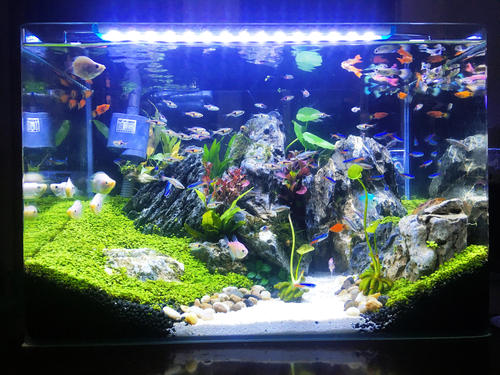
Basic aquarium size

Aquariums come in many different sizes, as small as 2.5 gallons, as large as 180 gallons or more. This is a large scope, so finding the right one for you will depend on your goals and your level of experience.

This is an important consideration, especially for larger tanks. Remember, a gallon of water weighs 8.34 pounds, so you need to make sure that your cabinet and floor can withstand the weight of your fish tank. A 180-gallon fish tank is filled with water, gravel and accessories and weighs more than 2,000 pounds.

This information will also help you guide decisions, such as determining how much space is needed, how much substrate and lighting is required, recommended filter sizes, and other equipment requirements. Also, keep in mind that the water surface area in the tank will determine how many fish you can store.

The weight given is a glass aquarium; the acrylic aquarium will be lighter.

Small aquarium

Contrary to what you think, small aquariums are not recommended for beginners. These small environments can be very variable, so small changes in the chemical composition of water, such as changes in ammonia or pH, can have a big impact.

If you decide to keep a small fish tank, remember that its biological filtration capacity is much smaller, so it is important not to store too many fish. And, because it is a sensitive environment, good filtration is absolutely necessary for small tanks.

Medium Aquarium

These are the aquariums most often recommended to beginners. Everything in the 20-40 gallon range has sufficient volume to minimize the harmful effects of chemical changes in water, and it is large enough to handle a large number of fish.

In addition, these tanks are not too large and cleaning will be difficult. This is important because many people who are new to the aquarium will soon find it difficult to keep up with maintenance. Overall, the medium tank is a nice, easy to manage size.

Large aquarium

The larger the fish tank, the more fish you can store. This is an obvious advantage, but it also means that you must work harder to maintain these tanks. You need to ensure that your floor and cabinets can withstand such heavy loads. People with large tanks will even find that in order to support loads of more than one ton, ground reinforcement is necessary.

Larger tanks have great appeal, especially when you want to create a diverse aquarium. However, you also need to consider the relationship between the size of the tank and the room and the surrounding environment. Are there shelves on your fish tank? These shelves may collapse, causing an emergency for your fish. Before spending time and money on such a major investment, these are important questions to ask.

Calculate Weight of Tanks

Here are some rough guidelines to see what happens when the aquarium is empty and full weight. The weight is an estimate because the number of rocks, the thickness of the glass, and the type of water all affect the calculation of weight. A gallon of freshwater weighs 8.34 pounds at a specific gravity of 1,000. A gallon of water at 8.34 pounds times 1.025 has a specific gravity of 8.5485 pounds (8.43 x 1.025 = 8.5485). The weight of the water will be proportional to the weight of the salt dissolved in the water. One gallon of seawater equals 8.54 pounds at 1.025.

For more information about aquarium products, supplies and decorations, come to our website Senzeal.com to check out now!

We provide cheap aquarium plants online,cheap aquarium wood and cheap aquariums online,contact us now.

Basking Area and Water Tank Cover for Turtles

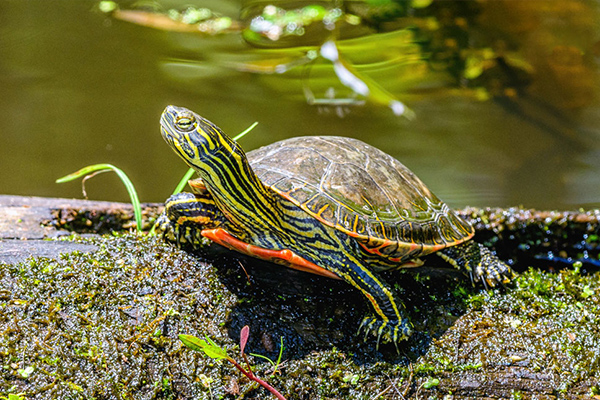
Water turtles need a dry platform where they can bask in the sun (although in this case, the “sun” is usually a turtle basking lamp). The place to sunbathe can be a commercial place like a log, or even a stone. But no matter what it is, it must be large enough for the turtle to feel comfortable so that the turtle can easily climb up from the water, and high enough so that the sunbathing place will not be wet all the time.

Establish a basking area

The easiest type of sunbathing area is floating, shelf-type sunbathing area, like the turtle dock in the picture, it looks like a stone, but it is actually made of plastic. The floating dock is easy to use, automatically adjusts the water level and does not waste underwater swimming space. It is a good choice for beginners.

But a stone or log can also be used. If you use something from nature, you must first boil it to kill any algae, bacteria or harmful microorganisms. Avoid anything sharp in the turtle habitat. Your turtle may be seriously injured. Another option is to use the area above the fish tank, which will bring your fish tank closer to the top and give the turtle more swimming space. You can buy ready-made on Senzeal.com.

Pay attention to the water tank cover

Most turtle breeders use heat-resistant metal lids on their fish tanks. These screens are cheap and important because they protect turtles from glass fragments and light bulb explosions. Lamps used in turtle habitats can become very hot, and if they are splashed with water, they can explode, sometimes not even. These coverings also help prevent turtles from climbing out of the fish tank, and they sometimes do try to climb out of the fish tank.

The tank cover can also be clamped on the tank to prevent larger turtles from crawling out. If the distance between the surface of the water or in the sun and the edge of the tank is within reach of the turtle, they will sometimes crawl out.

Do not use glass or perspex as the water tank cover. Any of them will filter out the UVB rays that the turtle needs to survive, and the heat from the lamp may cause the glass to break or the plexiglass to melt.

Because even the screen-type water tank cover blocks some light and heat, you should adjust the correct lighting on the water tank cover. When you have to remove the tank cover (for example, to feed your turtle or wash the tank), replace it as soon as possible so that you will not overheat the habitat. If you want to turn off the lights for more than a few minutes, you can turn off the heat-generating lights, or move them a little farther away, so that it will not be too hot.

It is recommended that you use the widest screen you can find, or better yet, make one with hardware cloth of at least 1/4 inch. It blocks much less light. Otherwise, consider using a 7.5 or 10.0W UVB lamp instead of a 2.5 or 5.0 W UVB lamp to make up for part of the light loss.

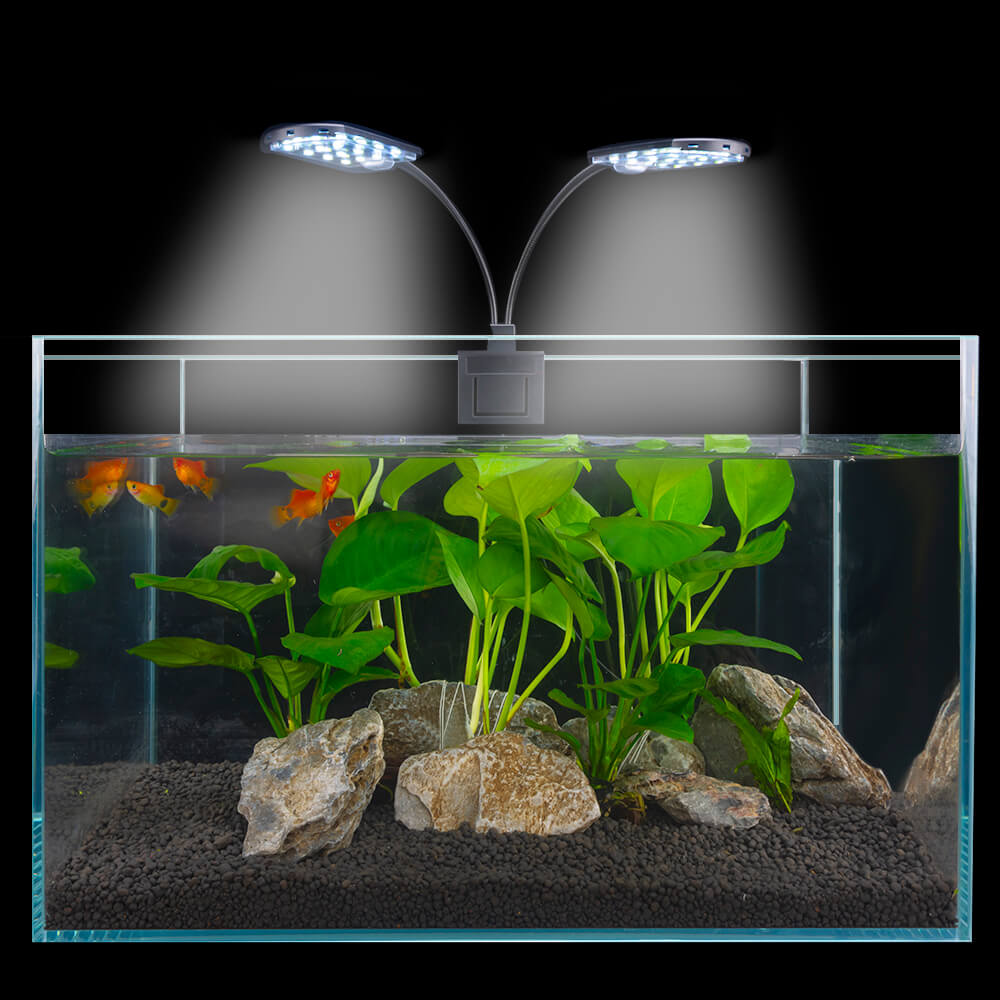
For turtle breeders, lighting is a very important issue, you can find the LED lights in the aquarium here. But basically, you need lights to provide visible light (artificial daylight), heat, UVA and UVB light.

Popular led lighting for turtle:

fish tank bubble light

uv light for fish tank​​​​​​​

blue and white led aquarium lights​​​​​​​

mini aquarium light​​​​​​​

aquarium multi color lights

You may be interested in these products for turtle:

Fish tank for turtle

Aquarium led lighting

Aquarium cleaning kit

Aquarium filter

We sale cheap aquarium lights,cheap aquarium ornaments and cheap aquarium plant lights,contact us now.

Why Need Aquascaping to Keep Ornamental Fish, is It According to Their Habits

Ornamental fish breeding has always been divided into landscape breeding and bare tank breeding. Even landscaping can be divided into simple landscaping and complex landscaping. Some fish tanks can be regarded as landscaping by simply laying the bottom sand, some fish tanks can be regarded as landscaping with several rocks, and other fish tanks are pure tanks just with weed and grass.

Some aquarists don’t understand, which ornamental fishes should be kept with landscape and which without landscape? What is the difference between different fish tank landscaping?

1. Fish tank landscaping helps improve overall ornamental

First of all, landscaping helps improve the overall ornamental of the fish tank, which is the biggest benefit of landscaping fish tanks.

After all, the purpose of keeping ornamental fish is to be close to nature. There are artificial mountains, water and grass in the fish tank. From the bottom of the heart, we will feel quite comfortable watching the fish tank landscape, and it will be of great benefit to much ornamental fish.

Therefore, this is the first major feature of the aquascaping, that is, it can improve our grade and the overall ornamental of the fish tank.

Aquarium ornaments online:

tree root fish tank ornament

aquarium coral ornaments

plane wreck aquarium ornament

2. Fish tank landscaping is more suitable for the growth of much native ornamental fish

From the original breeding of golden carp to setting rocks and planting a variety of aquatic plants in the fishpond, this is a close-to-nature fishpond landscape.

And the present aquarium landscape is mainly from the grass tank. With the introduction and popularity of more and more tropical aquatic plants, as well as the development of the fish tank, a lot of aquarium owners who do not want to raise ornamental fish at first, but joined the groups of raising shrimp, grass without knowing it, will eventually choose the appropriate ornamental fish into the grass tank. At this point, the ornamental fish tank landscape began to popularize.

Today, due to the rise of much native fish, most fish-lovers also choose to raise native fish in the tank. Such tank settings are different because some native fish are included in the medium – to the large-sized ornamental fish group. Another difference is that their origins and habits are different.

And if you raise aquatic plants in the fish tanks, the aquatic plants will be rotten or bitten by many medium and large ornamental fish, so it is not suitable for planting aquatic plants in this kind of fish tank, most of them mainly with sand landscaping and rock landscaping.

Another example is the exotic catfish, which like to live with freshwater mussels. Freshwater mussels are a necessity in this native fish breeding tank. And like the cichlid fish in Africa, they prefer to dig sand, and some of the freshwater mussels will damage the aquatic plants. In addition, many aquarists seek out the feeling of sea aquariums, so in the fish tanks of cichlid fish, most of the landscape is mainly coral sand and background walls.

If you plant waterweeds or place sunken wood in the fish tanks where the cichlid fish are raised, most old fishers will laugh when they see them. So in order to make more old fishers happy every day, you can put the sunken wood and ceramsite in your own cichlid fish tank.

3. A landscape fish tank helps stabilize the mood of most ornamental fish

This is also very important, in the early stage, not only the native fish but also a lot of ornamental fish will appear the phenomenon of psychological urgency. Many fish have a natural habit of hiding, so some fish lovers take advantage of this habit to give their tanks a proper view.

But there are also drawbacks. For example, some of the less daring, artificially bred fish, which are more suitable for raising in bare tanks, may be unable to adapt to the environment for a long time in the aquarium.

4. The breeding of much ornamental fish needs landscaping

Like various cichlid fish, some require bottom sand, some require clay pots, and some require a secluded environment while they breed. For these types of fish, a proper aquarium will be more conducive to their reproduction.

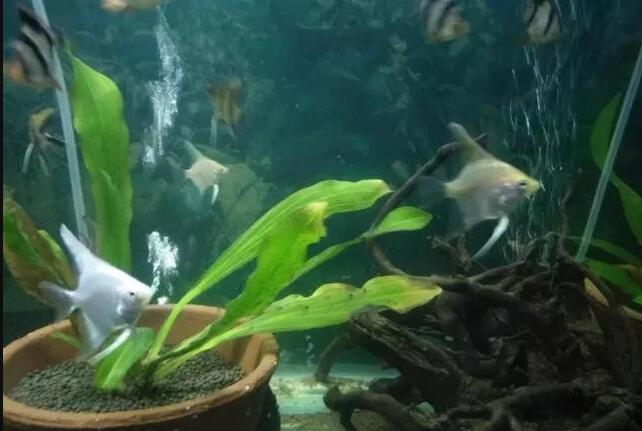
In fact, in the past, it was mostly grass that was used to breed angelfish. Angelfish breed on crown grass with wide leaves. Then their choice of spawning site is more random, and the spawning rate and fish yield are higher. But now, few people like to bother.

In the same way, colorful angelfish can breed on aquatic plants. In order to maximize the profits of fish farms, it is impossible to do so, so many new fish keepers will think that colorful angelfish will only lay eggs on the spawning barrel.

5. Some ornamental fish keeping need landscaping or not.

Like the angelfish and the like mentioned above, if you want to make the fish tank landscaping or not lies in the personal choice of the fish owner.

Some species of ornamental fish will become dim in the landscape tank. Experienced aquarists may lay layers of brighter sand. Some ornamental fishes increase their fear in the bright sand, and their body color will be black. These need to be practiced by ourselves. Because even the ornamental fish of the same species may not have the same body color.

In addition, the care and maintenance of the fish tank are relatively more difficult than the bare tank. If you are not very proficient in the cultivation of various aquatic plants, problems such as fish tank algae bursting, yellow leaves of aquatic plants, and the death of aquatic creatures will often occur. Many new aquarists simply cannot effectively control it.

Therefore, for aquarium fish that can be reared in both landscaping tanks and bare tanks, many new fish tank owners would prefer to raise them in bare tanks.

However, if the fish can be controlled with a landscape fish tank, the stability of water quality is better than that of a bare tank. The frequency of water changes is much lower. In general, various toxins in the fish tank will be reduced accordingly.

At the end, which type of fish tank should you use to raise ornamental fish, you can make a comprehensive judgment based on your own needs and all the factors mentioned above.

We provide cheap aquarium air pump,cheap aquarium decor and cheap aquarium filter,RFQ today.

Why Do I Keep an Aquarium at Home

Would you like to have a pet? But you don’t have a big apartment for a dog, or you don’t have enough time for a cat. Also, you like pets, but you don’t want your room to smell bad. If you think one of these things will stop you from having a pet, then the best option for you is to get an aquarium.

Keeping an aquarium is not as difficult as you think. It is a beautiful and lively decoration for your home. You can either choose a large tank if you have a lot of space in your house or choose a smaller tank if you live in a smaller place. You can set the aquarium to suit almost any condition and requirement you have for your home and you.

If those aren’t enough reasons for you to keeping an aquarium, here’s a list of all the wonderful benefits of having one at your home.

Benefits of Keeping Fish Aquarium at Home

Lowering Your Stress

This is one of the most important benefits of owning an aquarium. Studies have shown that simply spending a few minutes a day watching the fish in a fish tank swimming quietly can significantly lower a person’s stress level. The movement of fish is almost hypnotic. This means that after watching for a few minutes, you will enter a mode similar to meditation. So, staring at the swimming fish in an aquarium can relax you, lower stress, and make your problems less a little less serious.

If your life is stressful and you want some pets to share your burden, but don’t want to take the extra burden of caring for cats or dogs, then fish friends will be your best companion.

Calming Effects

Not only adults but fish also have impressive calming effects on seniors, and children. Children with hyperactivity disorders, when watching the fish move, will feel less anxious and can even sleep better at night.

As said above, watching fish movements in the aquarium is hypnotic. So it’s not surprising that the fish tank can also calm you down. Studies have shown that by simply watching your fish swim, eat, or play, you can significantly reduce your level of anxiety.

Not only adults, but fish have an impressive calming effect on older people and children. Children with ADHD experience less anxiety and can even sleep better at night when they watch the fish move.

Lowering Your Blood Pressure

A fish tank can lower your blood pressure. Due to the calming effects of fish movements, aquariums can help people lower their blood pressure. Researches have shown that having aquariums helps a person’s heart rate and lower blood pressure.

In some cases, people choose to decorate their houses with aquariums filled with water, decorations and aquatic plants, but without fish. Although no-fish aquariums still contribute to heart rate and blood pressure, they are less effective than aquariums with fish.

Improve the Condition of Alzheimer’s Patients

Aquariums with fish in the home have a positive impact on people with Alzheimer’s disease, especially elderly patients. There is no specific, concrete reasons to explain this situation. However, there are studies that showcase in senior homes and Alzheimer’s facilities that prove the positive effects of aquariums.

Alzheimer’s patients will eat more if they have an aquarium in their room or even a small fish tank, or if they are around an aquarium every day. They are also calmer, happier, and show less physical aggression. If the aquarium is placed in a restaurant or dining area, patients even eat more and need fewer supplements to stay healthy.

Increase People’s Productivity

In addition to all the health benefits, the aquarium can also provide other daily benefits such as productivity.

Having a fish tank can lower your blood pressure, anxiety and stress levels. It also means that the fish tank can help you to reduce a lot of burdens. Because of this, you can focus better. You will even be more motivated and creative, which will also make you more efficient.

So, apart from your house, having an aquarium in your office also seems like a good idea.

Encourage Children to Learn

Having an aquarium in your house can be very beneficial for kids of any age. You can use the aquarium at home to encourage children to learn by asking them some simple questions to make them think. Simple questions can be asked: How do fish breathe? Did the fish hear anything? Do they sleep? How do they sleep? Those will push children to find answers, which highly encourages them to learn and exploring knowledge.

You can guide your child’s curiosity and teach them a lot about the aquarium. 2-year-olds can remember fish names, their colors, learn to count fish, and even describe fish.

Furthermore, besides the fish, you can teach children about other invisible and micro components of life underwater. From bacteria, microfauna, trace elements to bigger, more scientific fields such as biology, chemistry, and physics.

Having an aquarium in your house provides a larger classroom than many real classrooms you know. Depending on how you use the aquarium in teaching and playing with your children, the potential of the aquarium is unlimited.

Help Kids with Negative Emotions

An aquarium can help everyone with negative emotions. However, they are especially effective for children.

Fish can’t speak, which is a good and therapeutic thing. They can become perfect friends. Kids can talk to fish about their mistakes and problems without having to worry about their secrets being leaked and being scolded or judged. Not only talking to fish but also caring for fish can help kids. By caring for fish, kids can divert their attention and help them control and reduce negative emotions such as anger, depression, and sadness.

Having an aquarium can help kids’ emotional problems from time to time in a healthy and constructive way. Buy Aquarium Online

We have aquarium driftwood for sale,aquarium driftwood for sale cheap and aquarium filters for sale,please feel free to contact us.

What You Need to Know when Keeping Fish in the Aquarium

Fishkeeping at home is a favorite lifestyle of many people, not only for decoration but also for improving feng shui at home. Although fish keeping can be wealthy, there are a lot of precautions to keep in mind, including keeping an eye on the growth of the fish and cleaning the fish tank regularly. Let’s take a look at the fish tank keeping precautions.

Aquarium Fish Keeping Precautions

1. You can choose a suitable fish tank according to the size of the room area. The capacity of the aquarium is different from ordinary fish tanks. The key is to choose the appropriate fish tank according to the size of the indoor space. Remember that you cannot put a large fish tank in the room, as it looks uncoordinated.  buy aquarium online

2. Always pay attention to the growth of the fish, so as not to cause dead or sick fish in the fish tank, thereby polluting the environment. Due to the limited space inside the aquarium, and the water is still, it is easy to grow bacteria. Fish purchased from different places can easily bring viruses and cause indoor environmental pollution.

3. Note that pregnant women, infants, patients, or the elderly should not try to breed ornamental fish and other pets indoors.

4. It is recommended not to raise fish in the bedroom, because the water vapor emitted from the fish tank will increase the humidity in the room, which will easily produce some mold and cause biological pollution. In addition, the aquarium generates noise and affects sleep.

5. Choose what fish to breed according to the space size and purpose. If it is a small room, some small tropical fish can be raised, and large fish can be raised in an aquarium in the office, living room, or larger room. At the same time, the fish feeding density and the amount of food should be controlled to prevent excess food from contaminating the fish tank.

6. Although the filtering equipment in the fish tank can filter fish dung, food residues, etc., it is also necessary to clean the fish tank, water equipment and filtering system frequently, and timely clean up the garbage in the fish tank to avoid pollution and affect fish and human health. buy aquarium filter

  • Pay attention to indoor ventilation and purification. Households with conditions can be equipped with air purifiers or air changers.

Aquarium Fish Keeping

1.Position of fish tank

The aquarium cannot be placed in the square of the god, that is, the northeast. This tank should be placed in the residential fierce side, if the God of Wealth placed in the vicinity of the tank, which would conflict with the “financial return financial position” principle. And if the God of Wealth is placed above the fish tank, then the jeopardy of Fengshui’s “Going to the Water” will affect the family’s wealth. The placement of fish tanks should also coordinate the relationship between the gas field and residential buildings.

2. Fish type selection

In general, goldfish have strong vitality and are bright in color, suitable for breeding. Especially colorful angelfish, koi, goldfish, etc., it is easier to raise and take care of them. Moreover, the homophonic “li” and “gold” of “jin” carp and “gold” fish are related to people’s wealth and are more popular with Chinese people.

3.Number of fish keeping

Many people choose fish according to the five elements of their masters. The traditional Fengshui “Hetuluoshu” has several tips on the formation of heaven and earth. According to the presumption from the book, you can find out how many fish be raised would be appropriate.

4. the fish tank should not be too large

Many people think that water can make money, so they choose a bigger fish tank. Of course, water is important, but too much or too deep is not appropriate. When the fish tank is higher than the eye position of the adult standing up, it is too high. So the aquarium in the living room shouldn’t be too large or too high, especially for a tiny living room area, which would even be more unappropriate.

Don’t know where to start? Keep visiting our aquarium product pages at Senzeal.

We provide aquarium bonsai driftwood for sale,aquarium box filter for sale and aquarium decoration items online shopping,contact us now.

What to Pay Attention to in Fish Tank Landscaping

For aquarists who like to watch fish, it is very fun to set up a beautiful fish tank for your pets. However, in the process of the landscaping of the fish tank, there are many things to pay attention to, otherwise, it will likely affect the survival of the fish in the future. So what are the precautions for fish tank landscaping? Let’s take a look together!

Every aquarium enthusiast will inevitably experience and learn to make aquariums with your own hands because you want your fish tank to be attractive at first glance. You must not only have beautiful and lovely fish but also add water plants and other decorations. What are the precautions for fish tank landscaping?

Precautions for fish tank landscaping:

1. Lighting

a. When new tanks are set up, the newly purchased aquatic plant lighting lamps are generally used. Because the new light tube has too much light, in addition to the difficulty of the water plants’ adapting to a new environment, in the ten days after the new plants are implanted, the excessively strong light or liquid fertilizer is used by mistake. That is the main cause of algae occurrence. Please shorten the lighting time and increase the lighting hours by three hours a day. Or put a layer of light-shielding objects under the lighting (such as light brown glass, white fog paper, white fog acrylic board, etc.), it is not necessary to discard after use in the initial period, can be used for (Aquatic plants, fish, aquatic plants can be used when the lighting is too strong). The newly set tank uses the old tube as much as possible in the initial 10 ~ 15 days (about six months of decay period of light) to reduce the rapid growth of algae and make the aquatic plants adapt to the environment during this period.

Popular led lighting:

fish tank bubble light

uv light for fish tank

blue and white led aquarium lights

mini aquarium light

aquarium multi color lights

b. Avoid long-wavelength lighting lamps in warm light areas with long light source wavelengths, which will promote algae growth, especially for terrestrial plant cultivation lamps (plant lamps with pink light).

2.Water quality

a. Establish a natural ecosystem, and put beneficial microorganisms into the aquarium to break down organic matter such as bait and fish excrement in the water to reduce the concentration of ammonia and nitrous acid. If the concentration of ammonia and nitrous acid is too high in the initial tank period, it is easy to produce algae and poisonous catfish and shrimp.

b. Within 30 days after the initial setting of the fish tank, once every two days as much as possible, one-third of the water is changed in order to reduce the initial release of basal fertilizer nutrients.

c. Excessive soft water is prone to algae, and the hardness of the water should be controlled at 2 ~ 4odh.

3.CO2 added

In the early stage of the initial establishment of the fish tank, the amount of CO2 application should be as low as possible. Do not ignore the period when the waterweeds are not fully photosynthetic. If the amount of CO2 is excessive, the algae can be enjoyed, resulting in algae breeding.

Other considerations for fish tank landscaping

1. Select the place where the fish tank is placed (where the sun cannot reach, otherwise moss will be produced). The ground should be flat and there should be a PowerPoint. Install a power strip with at least 4 sockets. Of course, you must clean the inside and outside of the fish tank.

2. Stick the background paper or background board on the back of the fish tank. The color of the background board is best matched with the subsequent plants. Wash the sand, brush the sinker and rocks, and put the filter in the filter.

3. If there is a connecting pipe, it must be installed. Install the submersible motor, and the sieve opening of the suction pipe should be at least 5cm from the bottom. Connect the light and turn it on for 10-12 hours a day.

4. Stir the bottom sand and base fertilizer evenly, add 1000g of base fertilizer to 20 liters of sand. Spread the base sand with base fertilizer and the remaining 50 liters of sand. Put deadwood or rocks into the fish tank. The vacant places need to be planted with aquatic plants for beautiful work.

5. Fill the aquarium slowly with water at a suitable temperature along the tank wall. A glass or bowl can be placed at the bottom to prevent the bottom sand from being washed away and the water is poured to half the height.

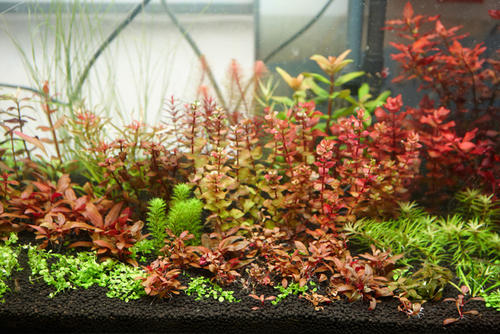
6. Plant aquatic plants according to the configuration map. Remember to cut off the rotten stems and leaves and trim the roots to one third. Different plants need to consider growth factors such as light when planting. The more important part of fish tank landscaping is the addition of water plants.

Aquarium landscaping tips:

1. When landscaping in the fish tank, we have to choose the place to place it at the beginning, the ground should be flat, the power supply should be more, and install a power strip with at least 4 grid sockets. And the inside and outside of the fish tank must be cleaned up. When placing sunk wood and stones, you must first brush and clean, and then place the filter material in the filter.

2. When the fish tank is used for landscaping, it must be installed. After the motor is installed, the suction pipe screen must be at least 5cm away from the bottom. After the lamp is connected, it must be opened for 10-12 hours each day. The temperature is suitable. Water is slowly poured into the fish tank along the tank wall, and a piece of glass can be squared at the bottom to prevent the bottom sand from being washed away. When planting aquatic weeds, we must first cut off the rotten stems and leaves and trim the roots to one third. Different plants need to consider growth factors such as light when planting.

For newbies in fish tank landscaping, don’t be too anxious. Do not add too many complicated items during landscaping, otherwise, it looks messy and affects the beauty. Before landscaping, check the fish tank landscaping precautions and the common sense of fish tank landscaping a few times to avoid detours.

We have acrylic tanks for sale,air stones for sale and air stones for sale,RFQ today.

What Does the Aquarium Bubbler Do and What Disadvantages Does It Have?

In addition to the beautiful aquatic life in the aquarium, have you noticed other interesting things in the aquarium? Many people may still be attracted by bubbles. Indeed, the way they float in the water at a hypnotic pace is very fascinating. Let’s learn all you need to know about the aquarium bubbler!

What is a Fish Tank Bubbler?

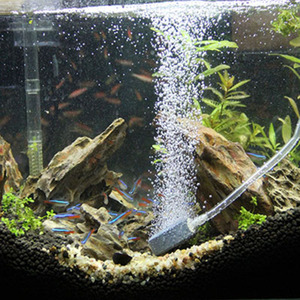
A bubbler is any device that is connected to an air pump through an air duct, the purpose of which is to create beneficial bubbles in your fish tank. When these bubbles rise to the surface, they contribute to the oxidation of water and improve the living conditions of fish, plants and other organisms in the fish tank. Aquarium bubblers usually run 24/7. Examples of bubblers include airstones, bubble wands, and bubble walls. best aquarium bubbler

What Does the Aquarium Bubbler Do?

The aquarium bubbler itself has two useful functions:

1. Aerate the water

Fish absorb dissolved oxygen from the water to maintain breathing-without it, most species of fish will suffocate and die. Bubbler adds oxygen to your fish tank. Oxygen seems to enter the water from the bubbles. But this only involves a very small part. Most of the oxygen in the fish tank enters from the surface and is dissolved into the water by the process of gas exchange. The function of the aquarium bubbler is that when the bubbles rise, they stir the water surface, allowing more oxygen to enter the water.

2. Increase water movement

When the bubbles rise, so does the water. This creates a stream of water that allows water to circulate in your tank. Because the air bubbles rise slowly, the result is usually a smoother flow of water than a powerhead passing through the tank. This promotes the water cycle to a certain extent.

Do You Know if You Need an Aquarium Bubbler or Not?

If the water is not circulating or oxygen is low in your aquarium, a bubbler may be just what you need!

In many fish tanks, the benefits of a bubbler can be easily realized with equipment already in the fish tank. For example, you can point the filter at the surface. Saltwater tanks should especially have filtration and circulation to defeat any bubbler. However, for smaller freshwater settings, a fish tank bubbler may be beneficial.

It’s worth noting that the type of fish also determines whether you need a bubbler. Some fish have adapted to still water, such as betta, and can even suck water from the surface. In this case, the water movement caused by the bubbler can actually put pressure on the fish.

What Are the Disadvantages of the Aquarium Bubbler?

If you want to put a bubbler in your fish tank, you should pay attention to the following points:

1. Bubbler is clearly visible

It’s a matter of personal taste.

It is difficult to ignore the trajectory of bubbles rising from the bubbler in the aquarium.

Even if you hide the bubbler behind the plant or in the matrix, you can clearly see the flow of bubbles.

Although some aquarium staff found that these bubbles can enhance the effect of the aquarium, some others think that these bubbles are ugly, unnatural and not suitable for displaying fish tanks.

2. Air bubbles can promote salt creep in saltwater tanks

If you have a saltwater tank, you are unlikely to buy a bubbler anyway. Bubblers can severely alter salt creep.

Although you may not be able to see it, when the bubbles burst on the surface of your fish tank, they will splash a small amount of water.

For its part, this is not a problem. But in saltwater tanks, when the water dries, a small amount of salt crystals remains.

It is for this reason that most owners of saltwater tanks recommend the use of a circulating pump, also known as a circulating fan or wave generator, as it can provide the same effects as a salt-free creep bubbler.

We have external filters for sale,external fish tank filter for sale and

fake aquarium plants cheap,RFQ today.

What Does an Aquarium Bubbler Do?

A bubbler is any device that is connected to an air pump through an air tube, the purpose of which is to create air bubbles in your fish tank.

An aquarium bubbler, also called an air stone, adds beneficial bubbles to the aquarium’s water. When these bubbles rise to the surface, they help the oxidation of water and improve the living conditions of fish, plants and other living creatures in the fish tank. Aquarium bubblers usually run 24/7.

Benefits of adding oxygen

When the air stone in the fish tank releases air bubbles, it helps prevent water from becoming dead water or even being toxic. Waste in the fish tank can easily get out of control in some situations, such as overfeeding or raising too many fish in one small fish tank. As waste builds up, so does the number of bacteria that feed on it. Although these bacteria are actually filtering or cleaning “garbage” in the fish tank, they consume some of the oxygen in the water, making it harder for fish and other aquatic organisms to survive. The air stone bubbler keeps a steady stream of air, which contains oxygen, flowing into the water, allowing the natural bacterial filtration to take place without starving the fish of oxygen. Like humans, fish and other aquarium lifeforms require an ample supply of oxygen to thrive.

Add to beauty and sound

Air bubbles released from air stones can also be used to decorate fish tanks. A curtain of bubbles and walls behind the fish tank adds flowing “striped bubbles” behind the fish.

Other air stones can be placed near decorative aquarium treasure chests or clamshells that open when bubbles arise. The sound of the constant bubbling can also be soothing, much the way some people find the sound of a fountain or rushing stream of water enjoyable.

Fish tank air pump supply

No matter what type of air stone or bubbler, its bubbles come from the air provided by the air pump of the fish tank. Choose an air pump that fits your fish tank size, if your fish tank doesn’t already have one. Read the packaging on the pump to determine a proper model that is powerful enough for the amount of water in your tank. Adjustable mode allows you to speed up or slow down bubbling to the desired level. Many pumps do not include tubing or the bubbler, so you’ll have to pick those out as well. Purchase enough airline tubing to run from the pump to your aquarium bubbler, allowing enough extra for the tubing to bend over the top of the tank and along the bottom to the bubbler connection. Most airline tubing is sold with a standard inner diameter of 3/16-inches so you generally won’t have to worry about picking the wrong tubing as long as you buy the material from a fish-tank supply shop.

Setting up the aquarium bubbler

Connect one end of the tubing to the bubbler, then place the bubbler in the desired position in the tank. Run the tubing along the bottom of the tank and along the back corner closest to the pump, positioned near the aquarium. Suction cups designed for aquarium use can help keep that tubing in place. Connect the opposite end of the tube to the pump. Feel free to trim excess tubing with a craft knife. Plug the pump in and turn it on. If bubbles rise up through the air stone, you’ve connected everything properly. If not, reconnect the tubing at both ends.

Set up the bubbler for the aquarium

Connect one end of the tubing to the bubbler and place the bubbler in the desired position in the fish tank. Run the pipe along the bottom of the fish tank and the rear corner closest to the pump. A suction cup designed for the aquarium can help keep the tubing in place. Connect the other end of the tube to the pump. Plug the pump in and turn it on. If the bubbles rise through the air stone, you’ve connected everything. If not, reconnect the tubing at both ends.

Cleaning a fish tank bubbler

Over time, the air holes in a bubbler can clog due to mineral deposits and debris buildup. If your bubbler doesn’t bubble the way it used to, turn off the pump, remove the bubbler from the hose and rinse it in tap water, scrubbing it with a nylon brush. Soak the bubbler overnight in peroxide, rinse and scrub it again, then dry it off before returning it to the tank. If the deposits look white and chalky like mineral deposits on a showerhead, soak the bubbler in white vinegar for several hours, then rinse it thoroughly before returning it to the tank. Do not soak a bubbler made of any type of actual stone, as vinegar may corrode it. For best results, read the care instructions included with the bubbler to determine the ideal cleaning method for that bubbler model.

Bubbler cleaning for a fish tank

Over time, the air holes in the bubbler can become blocked due to mineral deposits and debris buildup. If the bubbler bubbles differently than before, turn off the pump, remove the bubbler from the hose, rinse it with tap water, and scrub with a nylon brush. Soak the bubbler in hydrogen peroxide overnight, wash and scrub it again, then dry it and place it back in the aquarium. If these deposits look like white and chalky like mineral deposits on the showerhead, you can soak the bubbler in white vinegar for several hours, then rinse it thoroughly before putting it back in the water tank. Do not soak any real stone bubbler, as vinegar will corrode it.

For best results, carefully read the care instructions that come with the bubbler to determine the ideal cleaning method for the bubbler model.

If you want to buy cheap fish ornaments,fake coral for sale and cheap fish tank decor,welcome to find us.

What Causes Fish to Die Easily? How to Raise Fish Not Easy to Die?

Many people like fish breeding, and think that it is enough to change the water and feed them regularly. In fact, for some people who have no experience in fish breeding, it is not an easy task to raise fish well and not let the fish die. Fish breeding seems to be simple, but in fact, there is a lot of knowledge related. So how to raise fish that is not easy to die? If you want to raise fish well, you need to pay attention to many things, not only to control the water temperature and quality but also to prevent diseases, so that ornamental fish can grow up healthy. Let’s take a look together.

What causes fish easy to die

1. The living space of the fish is not suitable. Simply put, the number of fish in the fish tank does not match the size of the fish tank, and the size of the fish does not match the size of the fish tank.

2. Tap water is used directly in the breeding process.

3. The fish is not given enough oxygen, and no filtration system is used.

4. When replacing the water in the fish tank, no sterilization and anti-inflammatory drugs are put on it.

5. The water quality in the fish tank is not noticed, or it is not replaced in time.

In fact, the death of fish is caused by internal factors (fish is ill) and external factors (living environment, temperature, improper feeding, etc.), but many times it is caused by the lack of breeding technology of the breeder, which causes the death of fish.

In view of the above reasons leading to the death of fish, how should we solve it?

1. For example, a 50 * 70 goldfish tank is suitable for raising about 3 medium-large goldfishes and is suitable for about 5 medium-sized goldfish.

2. When replacing the water in the fish tank, tap water needs to be deposited for more than an hour before being poured into the fish tank.

3. When changing the water, the water in the fish tank cannot be completely replaced, so the fish will not adapt, and one-third of the raw water should be left to ensure that the fish can adapt.

4. When changing water, pour bactericidal anti-inflammatory drugs into the water to make the living environment of fish more healthy.

5. Ensure the oxygen supply of fish in the fish tank and set up a filtration system.

6. Observe the water quality in time and replace it when the water quality deteriorates.

How to raise fish that is not easy to die

The first step in fish breeding is to choose the right fish tank and to choose the right fish tank based on the size of the fish. It is not advisable to use a fish tank that is too small, because the fish should have sufficient space and air in the tank. Thoroughly disinfect your fish tank before buying the fish and returning. First, brush the aquarium with a high concentration of potassium permanganate (available in pharmacies) and wash it with water. After soaking the whole tank with a low concentration of potassium permanganate for two days, wash it with water, put it in tap water, and add thousands of minutes One of the salts (available on the fish market). Then let the water settle for more than three days, after which you can buy the fish and come back. For safety considerations, it is recommended that you buy some cheaper fish and come back to try the fish tank. There is no dead fish, and then raise your favorite or expensive fish.

After you buy the fish, you must not put it in the tank immediately. Because the temperature is different, the fish will not stand. First, put the fish with the bag in the tank for about ten minutes. When the water temperature is the same, put the fish in. (Do not put it with the water in the bag). Also, it is best to disinfect the fish before entering the tank, put some salt in the bag, or ask the boss to put some salt when buying, just a little, not too much. This is a must-have process for putting fish from your fish market to your home.

Water is essential for fish. Do not add tap water directly when changing water. Tap water usually contains chlorine. We boil the water to remove chlorine and then drink it. Of course, the water for fish breeding also needs to remove chlorine. First, let the tap water settle there for at least 24 hours. Putting it under the sun is better and it is better to let it stand for two or three days. The temperature of the water is also very important, especially the tropical fish, which is more delicate. You must not use too cold water. When adding water, make sure that the temperature difference is less than 2 degrees.

Keep some water in the original tank when changing the water so that the fish adapts quickly. Then, if your filtration system is perfect, changing it by one-third to one-fifth a week is enough. If the filtration system is not good, change it by one-third to one-fifth in three days, but It can’t be more than three days, so you must suck out the bottom fish (preferably every day). It is recommended to use a bare tank instead of sand or stones because it is too troublesome to clean up. Remember to put some salt in the freshwater every time you change the water.

If the water quality deteriorates badly, or if you see a fish die, you must pay attention to see if some fish have a serious infectious disease. After that, you need to change the water in the whole tank. The most dangerous thing is to change the water in the whole tank. If you don’t have so much water that has already settled, you can put some soda or dechlorination solution in the tap water (available in the fish market, usage (Refer to the instructions) Then filter the freshwater for three hours with a filter (remember to put salt in the freshwater) before you can put the fish in.

Feeding fish is also very important: feeding should be done regularly and quantitatively, once or twice a day, 3 to 5 minutes each time, and the feed that can’t be eaten within 5 minutes at most should be timely removed. cheap fish feeder

Here is a brief list of essential medicines including salt, potassium permanganate, oxytetracycline, furacillin, green detox, red mercury, and essential equipment including oxygen pump, filter, filter cotton, filter stone.

If you want to buy cheap fish decor,best aquarium glue and best aquarium heater controller,you can find us.

What Bottom Sand is Good for Fish Tank Landscaping

The bottom sand of the ecological fish tank is the key to good aquatic plants. At the same time, it also affects the landscaping effect of the entire product. In addition, the bottom sand can also control the pH of the water. So what kind of sand is better for fish tank landscaping? If you want to understand this problem, you should first understand the types of common bottom sand in fish tank landscaping. Let’s take a look below.

The classification of bottom sand

The so-called bottom sand generally refers to any cultivation medium spread on the bottom of the tank. It is not limited to silica sand, but it is still mainly silica sand. The bottom sand should be conditional, including moderate size, stable physical and chemical properties, and the inability to dissolve or hydrolyze harmful or undesired ingredients during use. All base sands that meet these basic conditions are It can be called “suitable bottom sand”, otherwise it should not be used as bottom sand. For example, coral sand is not suitable for use as base sand. Because in acidic water, it will continuously dissolve calcium ions, which will greatly increase the hardness, or in water containing carbon dioxide, a hydrolysis response will occur, and at the same time, the hardness, pH, and KH values will increase, which may cause adverse effects or impacts on the water quality.

1. Coral sand is a piece of coral or shell, which has the characteristics of continuous release of calcium carbonate and can keep the pH of the water in an alkaline state. Suitable for marine fish, invertebrate marine life, fish and crustaceans from the cichlid river waters of the three Great Lakes regions of East Africa

2. Silica sand is mostly imported from the United States and the Netherlands, and its state in water is very stable, and its fine particles are of great ornamental value. (Suitable for fish species in soft water, such as river cichlids, small lampfish and ratfish, and suitable for aquatic plants)

3. Yilan sand is more beautiful because it has black and white colors, but the particles are uneven, and it is rarely used in ecological tanks. Aquarium for medium and large fingerlings.

4. The sunken wood is imported from Africa, the Netherlands, or Southeast Asia, each with a different style, but it must be determined whether it can sink into the water before use. It is advisable to soak in advance to remove color. Mostly used in acidic soft water landscaping tanks, and can become a place for some small fish to hide.

  • There are many types of rock fragments, and magpies have great ornamental value, such as black shale or silicified wood, but it should be washed more to remove debris before use. Consider whether it will affect water quality before use, and some will become spawning beds for platform spawning fingerlings.

The precautions for the bottom sand of the aquarium

1. The sand at the bottom of the aquarium should not be too thick. It is better to choose slightly finer sand. But it should not be too fine, too fine sand can easily cause the bottom of the aquarium to be blocked. Judging from experience, the diameter of the bottom sand must be at least 1 cm, so that it will not tolerate blockage.

2. For aquariums without a heating system, a mixture of silica sand and Duplarit base fertilizer is generally used as the bottom layer, and two-thirds of the washed silica sand is 1 to 2 cm in diameter and the entire bottom is 2 to 3 cm in height. The height or thickness of the bottom layer needs to be limited to ensure limited and necessary water flow and alternation.

3. For an aquarium with a heating system, the height of the bottom layer can reach 3-5 cm, and the bottom sand can also choose 1-2 cm stones. Of course, it must be cleaned before putting it in the aquarium.

The selection of bottom sand for aquarium landscaping should be suitable for the type of ornamental fish. There are many types of bottom sand. Not every type is suitable for the ornamental fish in the home. Farmers should pay special attention to this.

The role of aquarium bottom sand

1. Water plants can be planted directly on the bottom sand, and thick bottom sand can prevent water grass from floating. The bottom sand is laid on the bottom layer of the fish tank, which will not occupy the place where the fish move.

2. The bottom sand in the fish tank is also a living place for beneficial bacteria, which is undoubtedly very beneficial to the growth of fish.

3. The bottom sand can absorb harmful gases in the water, purify the water environment in the fish tank, and provide a healthy and non-toxic water environment for the fish, which is also very beneficial to the growth of the fish.

4. The moment marks the water environment in the fish tank. When the bottom sand starts to turn black or the sand grains are covered with a layer of moss, it is a warning to the breeder that the fish tank should be cleaned and water changed.

5. It can adhere to the dirt in the fish tank, the bottom sand is the fish to distinguish the gathering place. At the same time, the bottom sand can firmly adhere to these pollutants, which can prevent the fish from stirring up the dirt and affecting the water quality.

6. Selecting the shiny bottom sand can also beautify the entire fish tank environment and increase the appreciation value of the fish tank.

You can choose the appropriate bottom sand according to the color tone of the entire fish tank and the type of fish.

We provide aquarium accessories online,undergravel filter for sale and air stones for sale,RFQ today.

通过 WordPress.com 设计一个这样的站点
从这里开始